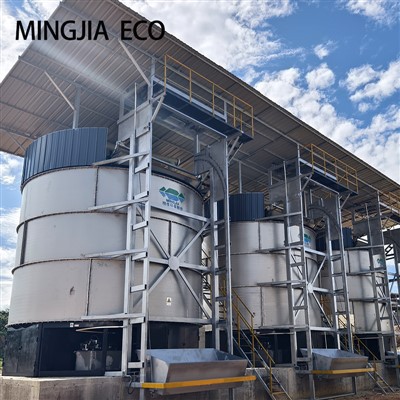
Models
| Model | 11FFG-55 | 11FFG-80 | 11FFG-100 | 11FFG-120 | 11FFG-140 | 11FFG-160 | 11FFG-220 | 11FFG-280 |
| Body Volume | 55m³ | 80m³ | 100m³ | 120m³ | 140m³ | 160m³ | 220m³ | 280m³ |
| Power | 29.25kW | 34.25kW | 39.25kW | 39.25kW | 43.75kW | 43.75kW | 84.25kW | 109.6kW |
| Body Material | Double-layer Stainless Steel | |||||||
| handling capacity | 4-6m³ | 4-6m³ | 6-8m³ | 8-10m³ | 10-12m³ | 12-14m³ | 16-19m³ | 20-24m³ |
| Tip:The Moisture Content of Fresh Chicken Manure is 65-70% | ||||||||
-
1) High-Temperature Aerobic Fermentation
Operating at 60–75°C, the tank accelerates decomposition and eradicates harmful pathogens like E. coli and Salmonella. This process stabilizes ammonia and reduces odors by 80%, producing compost that meets strict safety standards for agricultural use.
-
2) Intelligent Oxygen & Temperature Control
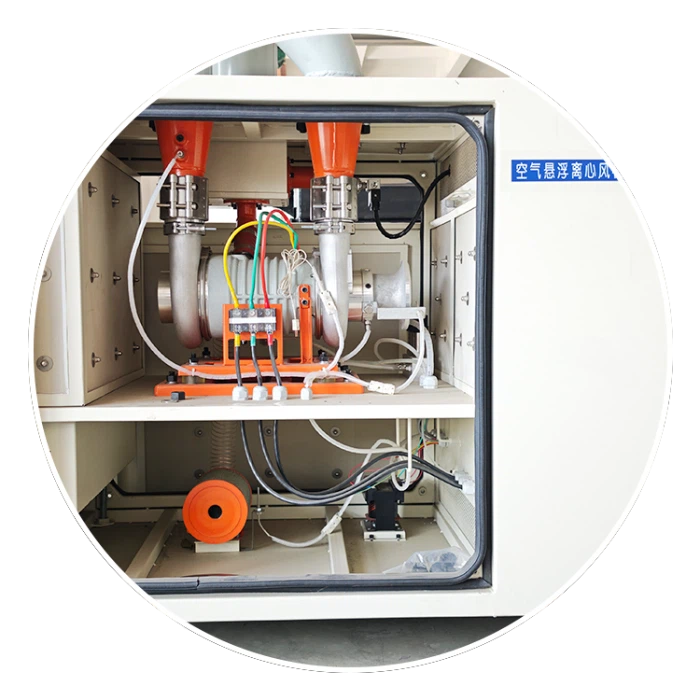
Aeration System: Stirring blades at the tank's base deliver continuous oxygen, preventing anaerobic zones and methane formation.
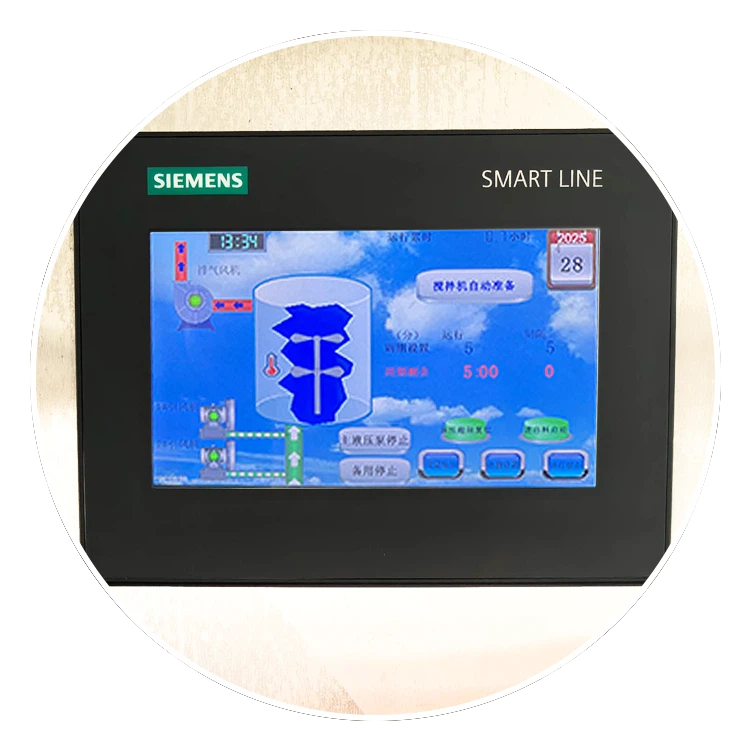
Automated Thermostat: Sensors maintain optimal temperatures for microbial activity, reducing fermentation time to 10–14 days compared to traditional open-air methods.
-
3) Triple-Layer Stainless Steel Construction
Built with corrosion-resistant stainless steel and thermal insulation, the tank withstands harsh environments while retaining heat. Its seamless interior ensures easy cleaning and hygienic operation.
Four-Stage Fermentation Process
Initial Heating Phase (Days 1–3)
Mesophilic bacteria break down simple sugars, raising temperatures to 45°C. Fungi and actinomycetes begin decomposing cellulose.
Thermophilic Phase (Days 3–5)
Heat-tolerant microbes dominate, breaking down complex organic matter. Temperatures peak at 70–80°C, sterilizing the material and reducing pathogens by 99.9%.
Cooling Phase (Days 1–2)
Microbial activity slows, temperatures drop to 40°C, and dormant microbes resume decomposing residual matter.
Maturation Phase (Days 1)
Stable, nutrient-rich compost is produced, ready for use in improving soil fertility.
Equipment Advantages & Applications
Scalability: Models handle 5–30 tons/day, suitable for small farms to large agribusinesses.
Environmental Benefits:

Reduces methane emissions by 90% compared to open lagoons.
Minimizes nitrogen runoff and water pollution.
Enhances soil carbon sequestration through compost application.
Economic Value:
Converts waste into marketable fertilizer, generating revenue.
Lowers synthetic fertilizer costs by 30–40%.
Conclusion
Mingjia's livestock manure compost tank represents a breakthrough in sustainable agriculture, transforming manure into a valuable resource. By combining advanced aeration, automation, and durable construction, this technology supports circular farming practices while protecting ecosystems. Ideal for livestock operations, it sets a new standard for efficient, eco-friendly waste management.
Applications



Working Principle

Certification
Cooperation cases


Features


Exhibition

Shipment

Hot Tags: livestock manure compost tank, China livestock manure compost tank manufacturers, suppliers, Stainless Steel Compost Tank, tanks organic compost, tanks green stuff compost, Animal Manure Compost Tank, vermi tank, Vertical Manure Compost System