


2025-compost-machine-organic-waste-fertilizer
Of course, the use of bioreactors (also known as biological fermentation tanks) is at the core of modern biotechnology industries, bringing significant advantages from laboratory research to industrial-scale production. The benefits can be elaborated from multiple perspectives:
1. High efficiency and repeatability · The automated control system reduces human operational errors, ensuring highly consistent production results between different batches, which is crucial for meeting Good Manufacturing Practice (GMP) standards. · Optimized conditions can significantly shorten the fermentation cycle and increase the output per unit time.
3. High yield and high productivity · Through precise control, the synthesis of target products (such as antibiotics, enzymes, and vaccines) can be maximized, achieving yields and productivities far exceeding those of traditional fermentation methods (such as shallow tray fermentation).
II. Product Quality and Safety
1. Consistent and stable product quality · Stringent process control ensures that the chemical composition, biological activity and purity of the final product remain consistent, meeting strict pharmaceutical and food standards.
2. Reduce contamination risks · The fermentation tank is a closed sterile system that can effectively prevent external contaminants such as bacteria, viruses or other pollutants from entering. This is essential for the production of pharmaceutical products with extremely high purity requirements (such as vaccines, monoclonal antibodies) and food additives.
3. Enhance process safety · For handling pathogenic or genetically engineered bacteria, a closed system can prevent pathogen leakage, protecting the safety of operators and the environment. · It can safely handle flammable, explosive or toxic substrates and products.
III. Economic and Scale Advantages
1. Easy to scale up production · Based on chemical engineering principles, it can be reliably scaled up from a small laboratory-scale fermenter (several liters) to an industrial production scale (several tons or even hundreds of tons) through data models and parameter correlations, significantly reducing the risks and costs from R&D to commercialization.
2. High resource utilization efficiency · It can make more thorough use of the culture medium (substrate), reducing waste. · It usually has a higher space utilization rate, enabling large-scale production on a smaller land area.
3. Reduce labor costs · Highly automated systems reduce the reliance on intensive manual operations.
IV. A Powerful Tool for Research and Development
1. Process Datafication and Traceability · Modern fermentation tanks are equipped with a large number of sensors and data processing systems, which can record and store massive amounts of data throughout the entire fermentation process in real time (such as dissolved oxygen curves, pH curves, cell density, etc.), providing solid data support for process optimization, fault diagnosis, and regulatory filings.
2. Platform for Process Optimization · Researchers can systematically study the impact of individual variables (such as temperature, pH) on cell growth and product synthesis, thereby identifying the optimal process conditions.
V. Environmental Benefits
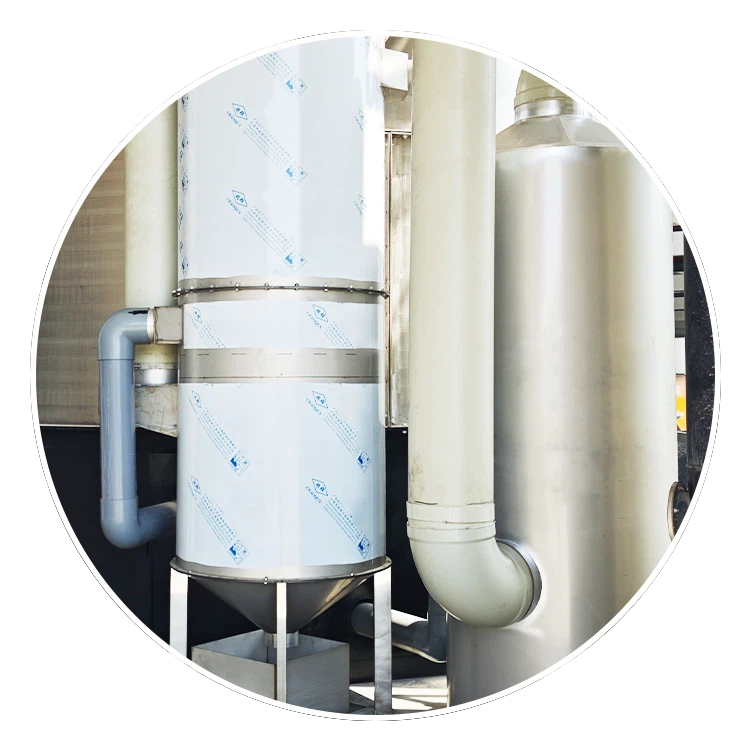
Waste treatment and emission reduction: The closed system facilitates the collection and treatment of waste gas, wastewater and biomass generated during the fermentation process, making it easier to achieve compliance with emission standards or resource utilization.
Examples of application fields:
· Pharmaceutical industry: Producing antibiotics, vaccines, hormones (such as insulin), monoclonal antibodies, therapeutic proteins, etc.
· Food industry: Producing amino acids (such as monosodium glutamate), organic acids (such as citric acid), enzyme preparations (used in cheese and beer brewing), probiotics, vitamins, etc.
· Bioenergy: Producing ethanol, butanol, biogas, etc.
· Environmental protection: Utilizing specific microorganisms to degrade toxic substances in wastewater.
· Agriculture: Producing microbial pesticides, fertilizers, etc.
In summary, the core advantage of using bioreactors lies in transforming biological fermentation from an "artistic", difficult-to-control empirical process into a "scientific", precisely controllable, repeatable and scalable modern industrial process. This not only significantly enhances production capacity and efficiency, but also ensures product quality, safety and consistency, serving as the cornerstone for the industrialization of biotechnology.
Models
https://www.mingjiaeco.com/compost-machine/municipal-waste-compost-machine.html 对应代码:
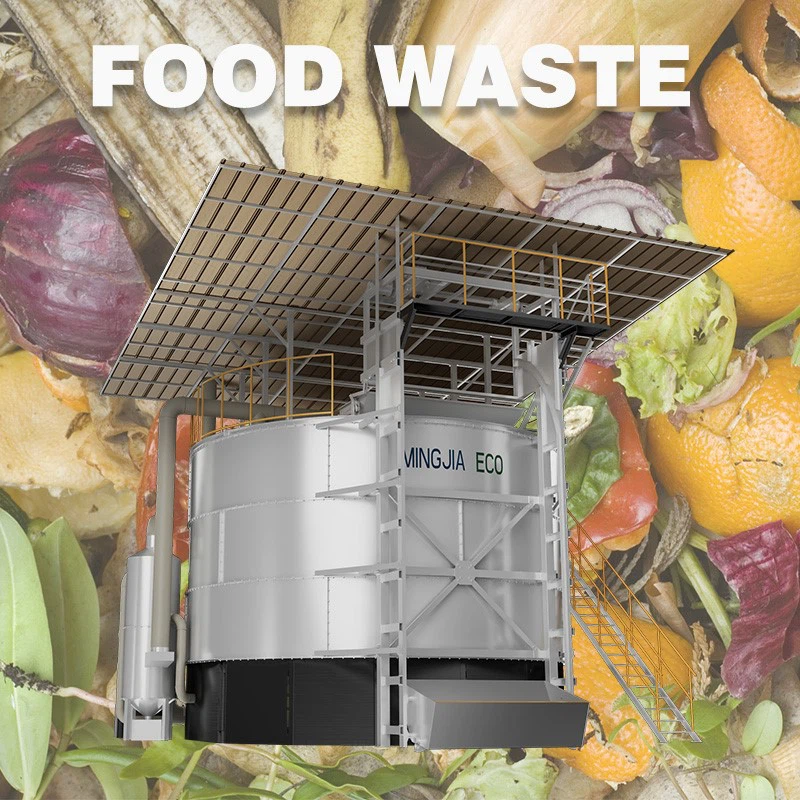
In modern urban life, the generation of municipal waste is a significant challenge. Municipal waste, which encompasses a wide range of materials from food scraps and yard waste to paper and cardboard, poses environmental threats if not managed properly. Mingjia's municipal waste compost machine emerges as a vital solution in the pursuit of sustainable waste management. This innovative equipment is designed to transform the bulk of organic - rich municipal waste into nutrient - rich compost, closing the loop on urban waste and providing a valuable resource for agriculture and horticulture.
Models
| Model | 11FFG-55 | 11FFG-80 | 11FFG-100 | 11FFG-120 | 11FFG-140 | 11FFG-160 | 11FFG-220 | 11FFG-280 |
| Body Volume | 55m³ | 80m³ | 100m³ | 120m³ | 140m³ | 160m³ | 220m³ | 280m³ |
| Power | 29.25kW | 34.25kW | 39.25kW | 39.25kW | 43.75kW | 43.75kW | 84.25kW | 109.6kW |
| Body Material | Double-layer Stainless Steel | |||||||
| handling capacity | ||||||||
| Model | 11FFG-55 | 11FFG-80 | 11FFG-100 | 11FFG-120 | 11FFG-140 | 11FFG-160 | 11FFG-220 | 11FFG-280 |
| Body Volume | 55m³ | 80m³ | 100m³ | 120m³ | 140m³ | 160m³ | 220m³ | 280m³ |
| Power | 29.25kW | 34.25kW | 39.25kW | 39.25kW | 43.75kW | 43.75kW | 84.25kW | 109.6kW |
| Body Material | Double-layer Stainless Steel | |||||||
| handling capacity | 4-6m³ | 4-6m³ | 6-8m³ | 8-10m³ | 10-12m³ | 12-14m³ | 16-19m³ | 20-24m³ |
| Tip:The Moisture Content of Fresh Chicken Manure is 65-70% | ||||||||
Working Principle

Main Tank Body
Cylindrical Design
The core of the manure fermentation tank is its cylindrical - shaped main body, constructed from high - grade stainless steel. The cylindrical form offers several advantages. Firstly, it maximizes the volume - to - surface - area ratio, which is crucial for efficient heat transfer and mass exchange during fermentation. This design also helps to evenly distribute the internal pressure generated by the fermentation process, enhancing the tank's structural stability. The corrosion - resistant property of stainless steel is of utmost importance as waste can be highly corrosive , ensuring the long - term durability of the tank.
Double - walled Structure
Our fermentation tanks feature a double - walled structure. The space between the two walls is filled with insulation materials of polyurethane foam. This insulation layer helps to maintain a stable internal temperature, which is essential for the optimal growth of the aerobic bacteria involved in the fermentation process. It also reduces heat loss to the surrounding environment, making the fermentation process more energy - efficient.

Applications



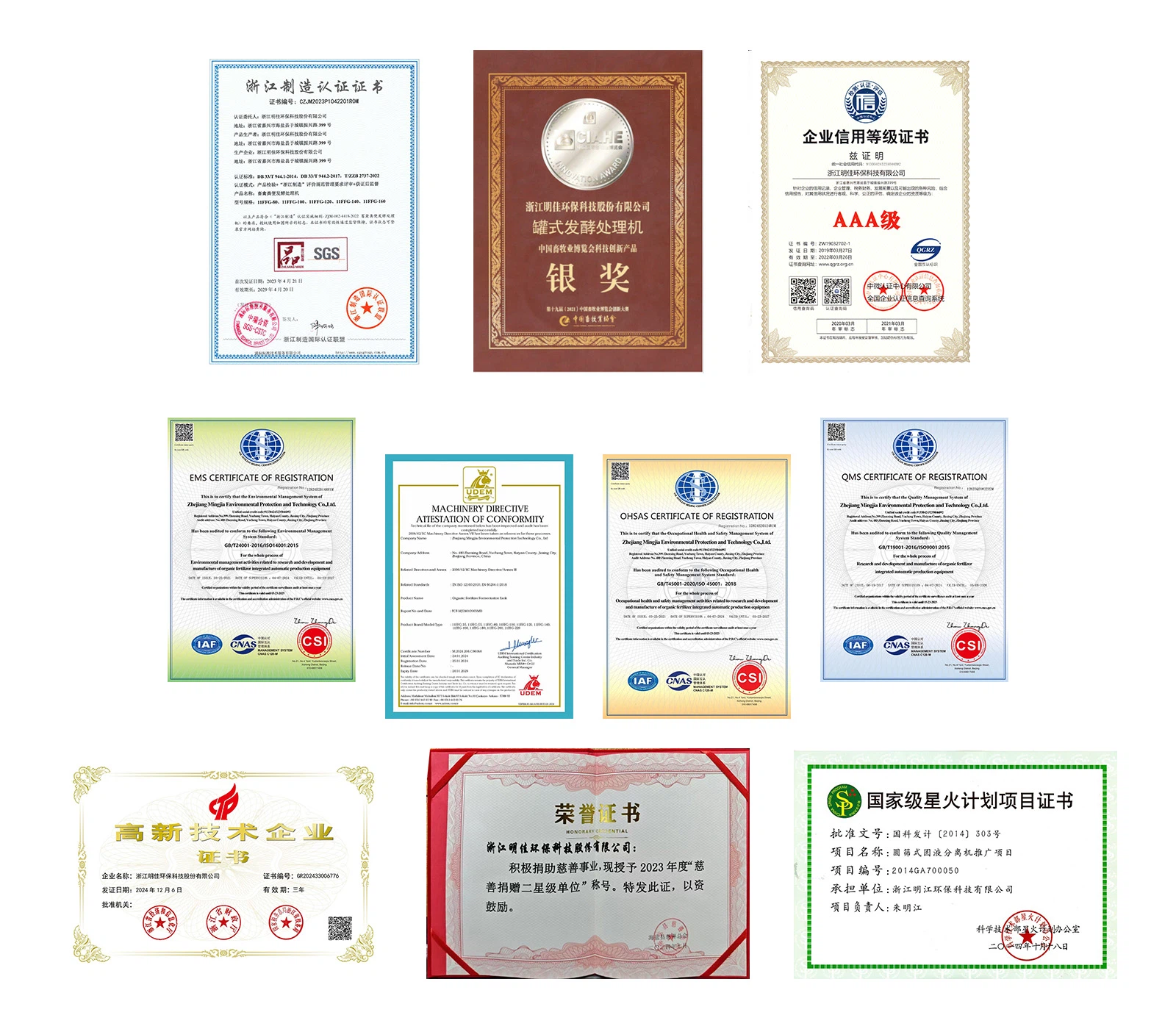
Certification
Cooperation cases


Features



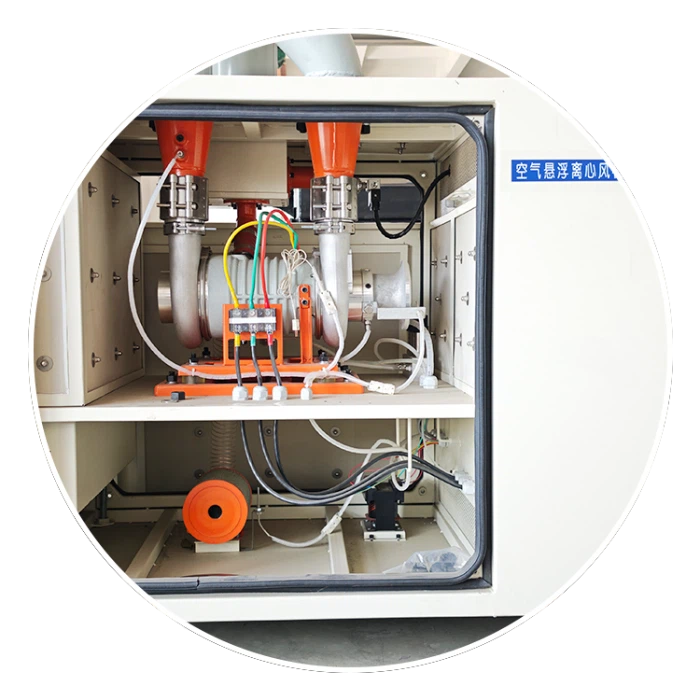
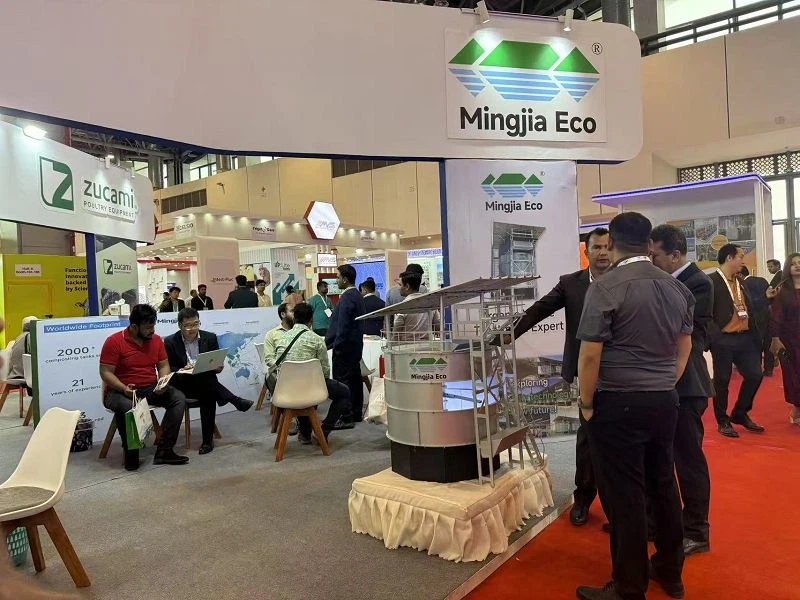
Exhibition

Shipment

4-6m³ 4-6m³ 6-8m³ 8-10m³ 10-12m³ 12-14m³ 16-19m³ 20-24m³ Tip:The Moisture Content of Fresh Chicken Manure is 65-70%
Working Principle
Main Tank Body
Cylindrical Design
The core of the manure fermentation tank is its cylindrical - shaped main body, constructed from high - grade stainless steel. The cylindrical form offers several advantages. Firstly, it maximizes the volume - to - surface - area ratio, which is crucial for efficient heat transfer and mass exchange during fermentation. This design also helps to evenly distribute the internal pressure generated by the fermentation process, enhancing the tank's structural stability. The corrosion - resistant property of stainless steel is of utmost importance as waste can be highly corrosive , ensuring the long - term durability of the tank.
Double - walled Structure
Our fermentation tanks feature a double - walled structure. The space between the two walls is filled with insulation materials of polyurethane foam. This insulation layer helps to maintain a stable internal temperature, which is essential for the optimal growth of the aerobic bacteria involved in the fermentation process. It also reduces heat loss to the surrounding environment, making the fermentation process more energy - efficient.
Applications
Certification
Cooperation cases
Features
Exhibition
Shipment
2025-compost-machine-organic-waste-fertilizer
Hot Tags: 2025 compost machine organic waste fertilizer, China 2025 compost machine organic waste fertilizer manufacturers, suppliers, Organic Waste Fermentation Tank, cone bottom fermenter, 2bbl jacketed unitank, 40 bbl fermenter, conical stainless steel tank, Poultry Farm Composter


