


2025 high temperature composting tank
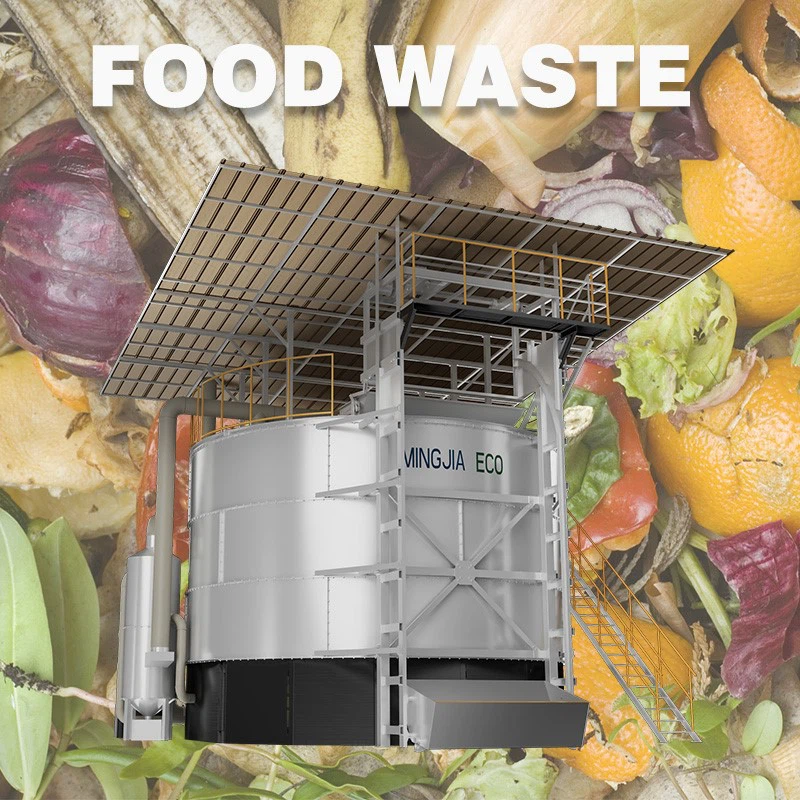
The organic fertilizer fermentation tank, also known as the "closed fermentation tank" or "high-temperature aerobic fermentation tank", is a modern environmental protection equipment that utilizes the principle of aerobic fermentation by microorganisms to rapidly convert organic waste (such as livestock and poultry manure, kitchen waste, straw, etc.) into high-quality organic fertilizer.
The core working principle can be summarized as follows: In a sealed tank, the most suitable temperature, humidity and oxygen environment for microbial growth are artificially created and controlled, enabling microorganisms to efficiently and rapidly decompose and stabilize organic matter, ultimately generating mature organic fertilizer.
The entire process can be divided into the following key steps and systems:
---
I. Core Fermentation Principle: High-temperature Aerobic Fermentation
1. Aerobic process: The fermentation process requires a large amount of oxygen. The aeration system in the tank continuously supplies air to the material, providing the necessary oxygen for the survival and reproduction of aerobic microorganisms (such as bacteria, actinomycetes, and fungi).
2. Microbial action: These aerobic microorganisms take carbon, nitrogen, and other components in organic matter as "food" and, through their metabolic activities, decompose complex organic macromolecules (such as cellulose and proteins) into simple small-molecule organic substances and stable humus.
3. Heat generation process: During the decomposition of organic matter, microorganisms release a large amount of biological heat, causing the temperature inside the tank to rise rapidly (usually reaching 55-75°C or even higher).
II. Key Work Steps
1. Feeding and Mixing: · Pre-treated organic waste (such as materials that have been initially crushed and adjusted for carbon-nitrogen ratio and moisture content) is sent to the top feeding port of the fermentation tank by lifting equipment. · Fermentation agents are usually added to accelerate the fermentation process.
2. Fermentation Process (Core Stage): · Heating and Temperature Rise: The material temperature is rapidly raised to the working temperature through the heating system built into the equipment (such as in cold regions or at startup) or by the heat generated by the microorganisms themselves. · Aeration and Oxygen Supply: The aeration system at the bottom of the tank (such as pipes and fans) supplies air to the material according to the preset program, either intermittently or continuously. This not only provides oxygen but also removes excess moisture and odorous gases. · Mixing and Crushing: The stirring device inside the tank (usually multiple stirring arms located on the central shaft) rotates slowly at regular intervals, playing a crucial role: · Turning: Breaking up material clumps to ensure uniform fermentation and prevent anaerobic dead zones. · Mixing: Ensuring consistent temperature, moisture, and microbial distribution throughout the material. · Crushing: Further crushing the material to increase the contact area with oxygen and enhance fermentation efficiency.
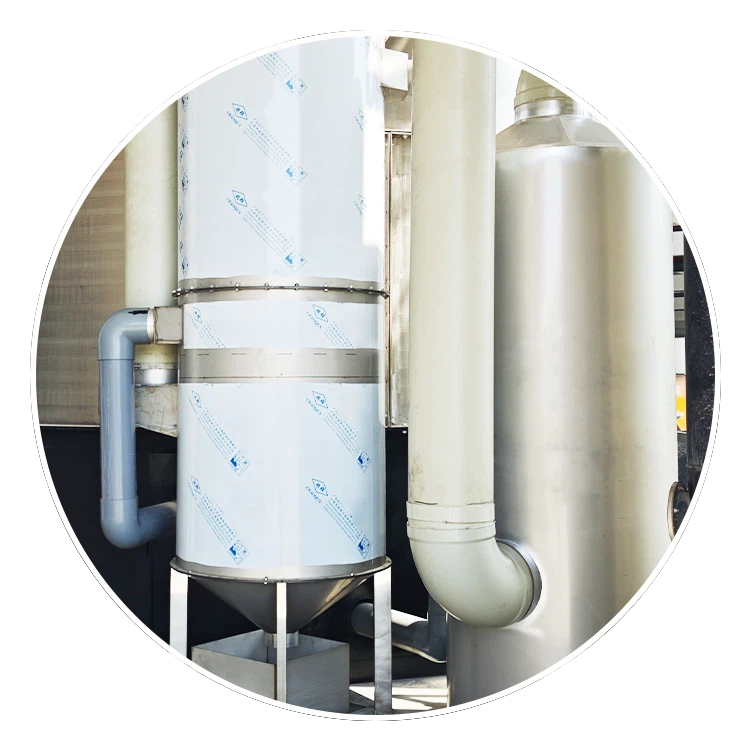
3. Dehumidification and Exhaust Gas Treatment: · Microbial reactions produce a large amount of water vapor and some odorous gases (such as ammonia and hydrogen sulfide). · The high-temperature exhaust gas and water vapor are extracted through the exhaust port at the top of the tank and enter the accompanying exhaust gas treatment system (such as chemical scrubbing, biological deodorization, etc.), and are discharged after purification to meet standards, effectively avoiding secondary pollution. · This process also simultaneously removes excess moisture from the material, ensuring the moisture content of the finished fertilizer meets the standard.
4. Maturation and Cooling: · After several days (typically 7-15 days, which is 1/4 or even shorter than traditional composting time) of high-temperature fermentation, most harmful pathogens and weed seeds are killed, and the material meets the harmless standard. · Subsequently, the system may stop heating and gradually cool the material through aeration, entering the post-maturation stage to further stabilize the fertilizer.
5. Discharge: · After the fermentation is complete, the finished organic fertilizer is discharged from the bottom discharge port of the tank and can be directly packaged or undergo further deep processing (such as granulation).
---
III. Core System Composition and Functions
A complete organic fertilizer fermentation tank usually consists of the following systems:
System Name Main Function
Tank System Provides a sealed fermentation space, usually made of insulation materials to reduce heat loss and ensure high-temperature fermentation.
Heating System (Optional, commonly used in low-temperature environments) Provides a heat source at the beginning of fermentation to help the material quickly reach the active temperature for microorganisms.
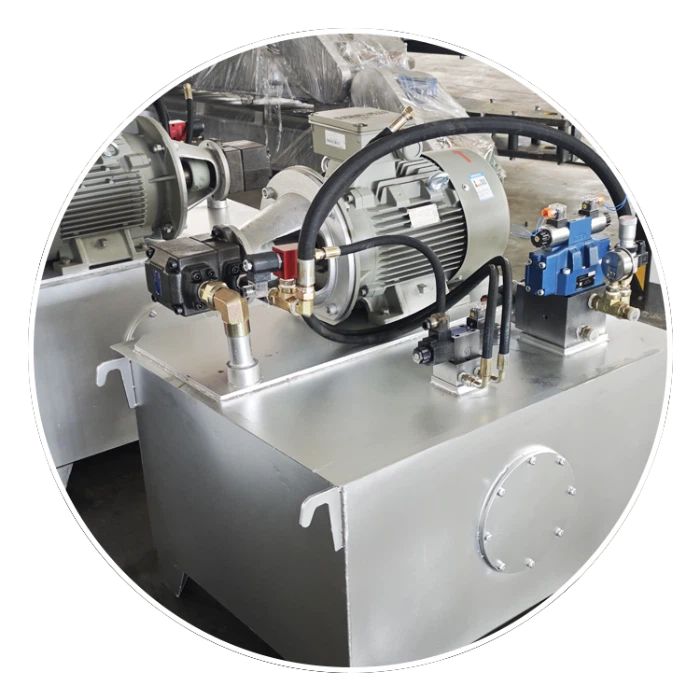
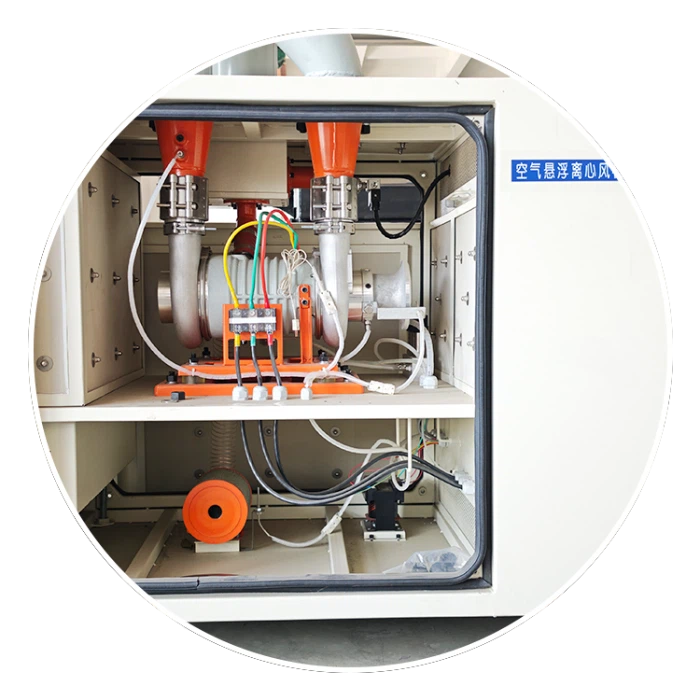
Aeration System Composed of fans, pipes and air distribution devices, it is responsible for delivering oxygen to the bottom of the material and is a key component of aerobic fermentation.
Agitation System Composed of motors, reducers, central shafts and agitation arms, it is responsible for turning over, mixing and breaking up the material.
Monitoring and Control System The core brain. It monitors the tank environment in real time through sensors such as temperature and oxygen concentration, and automatically controls the start and stop of aeration, agitation and heating to ensure that the fermentation is always in the best state.
Exhaust Gas Treatment System Collects and treats the malodorous gases and water vapor produced during fermentation to achieve environmentally compliant emissions.
---
IV. Main Advantages
1. High efficiency and speed: The fermentation cycle is short, only 7 to 15 days.
2. Environmentally friendly and pollution-free: The entire process is sealed, with exhaust gases collected and treated uniformly, no unpleasant odors escape, and the impact on the surrounding environment is minimal.
3. Space-saving: It adopts a vertical design, occupying a small area.
4. High degree of intelligence: PLC automatic control is used, eliminating the need for manual turning of the pile, significantly reducing labor intensity.
5. Unaffected by climate: It can operate continuously throughout the year, unaffected by seasons, rain, snow, low temperatures, or other external weather conditions.
6. Thorough decontamination: Continuous high temperatures effectively kill pathogenic bacteria, eggs, and weed seeds, ensuring high safety of the finished product.
In summary, the working principle of an organic fertilizer fermentation tank is a technology that intensifies and accelerates the natural microbial decomposition process in an "artificial ideal environment" through an intelligent control system. It transforms the traditional composting method of "relying on nature" into a modern "assembly line production", and is an efficient equipment for the resource utilization, harmless treatment and reduction of organic waste.
Models
https://www.mingjiaeco.com/compost-machine/municipal-waste-compost-machine.html 对应代码:
In modern urban life, the generation of municipal waste is a significant challenge. Municipal waste, which encompasses a wide range of materials from food scraps and yard waste to paper and cardboard, poses environmental threats if not managed properly. Mingjia's municipal waste compost machine emerges as a vital solution in the pursuit of sustainable waste management. This innovative equipment is designed to transform the bulk of organic - rich municipal waste into nutrient - rich compost, closing the loop on urban waste and providing a valuable resource for agriculture and horticulture.
Models
| Model | 11FFG-55 | 11FFG-80 | 11FFG-100 | 11FFG-120 | 11FFG-140 | 11FFG-160 | 11FFG-220 | 11FFG-280 |
| Body Volume | 55m³ | 80m³ | 100m³ | 120m³ | 140m³ | 160m³ | 220m³ | 280m³ |
| Power | 29.25kW | 34.25kW | 39.25kW | 39.25kW | 43.75kW | 43.75kW | 84.25kW | 109.6kW |
| Body Material | Double-layer Stainless Steel | |||||||
| handling capacity | ||||||||
| Model | 11FFG-55 | 11FFG-80 | 11FFG-100 | 11FFG-120 | 11FFG-140 | 11FFG-160 | 11FFG-220 | 11FFG-280 |
| Body Volume | 55m³ | 80m³ | 100m³ | 120m³ | 140m³ | 160m³ | 220m³ | 280m³ |
| Power | 29.25kW | 34.25kW | 39.25kW | 39.25kW | 43.75kW | 43.75kW | 84.25kW | 109.6kW |
| Body Material | Double-layer Stainless Steel | |||||||
| handling capacity | 4-6m³ | 4-6m³ | 6-8m³ | 8-10m³ | 10-12m³ | 12-14m³ | 16-19m³ | 20-24m³ |
| Tip:The Moisture Content of Fresh Chicken Manure is 65-70% | ||||||||
Working Principle

Main Tank Body
Cylindrical Design
The core of the manure fermentation tank is its cylindrical - shaped main body, constructed from high - grade stainless steel. The cylindrical form offers several advantages. Firstly, it maximizes the volume - to - surface - area ratio, which is crucial for efficient heat transfer and mass exchange during fermentation. This design also helps to evenly distribute the internal pressure generated by the fermentation process, enhancing the tank's structural stability. The corrosion - resistant property of stainless steel is of utmost importance as waste can be highly corrosive , ensuring the long - term durability of the tank.
Double - walled Structure
Our fermentation tanks feature a double - walled structure. The space between the two walls is filled with insulation materials of polyurethane foam. This insulation layer helps to maintain a stable internal temperature, which is essential for the optimal growth of the aerobic bacteria involved in the fermentation process. It also reduces heat loss to the surrounding environment, making the fermentation process more energy - efficient.

Applications



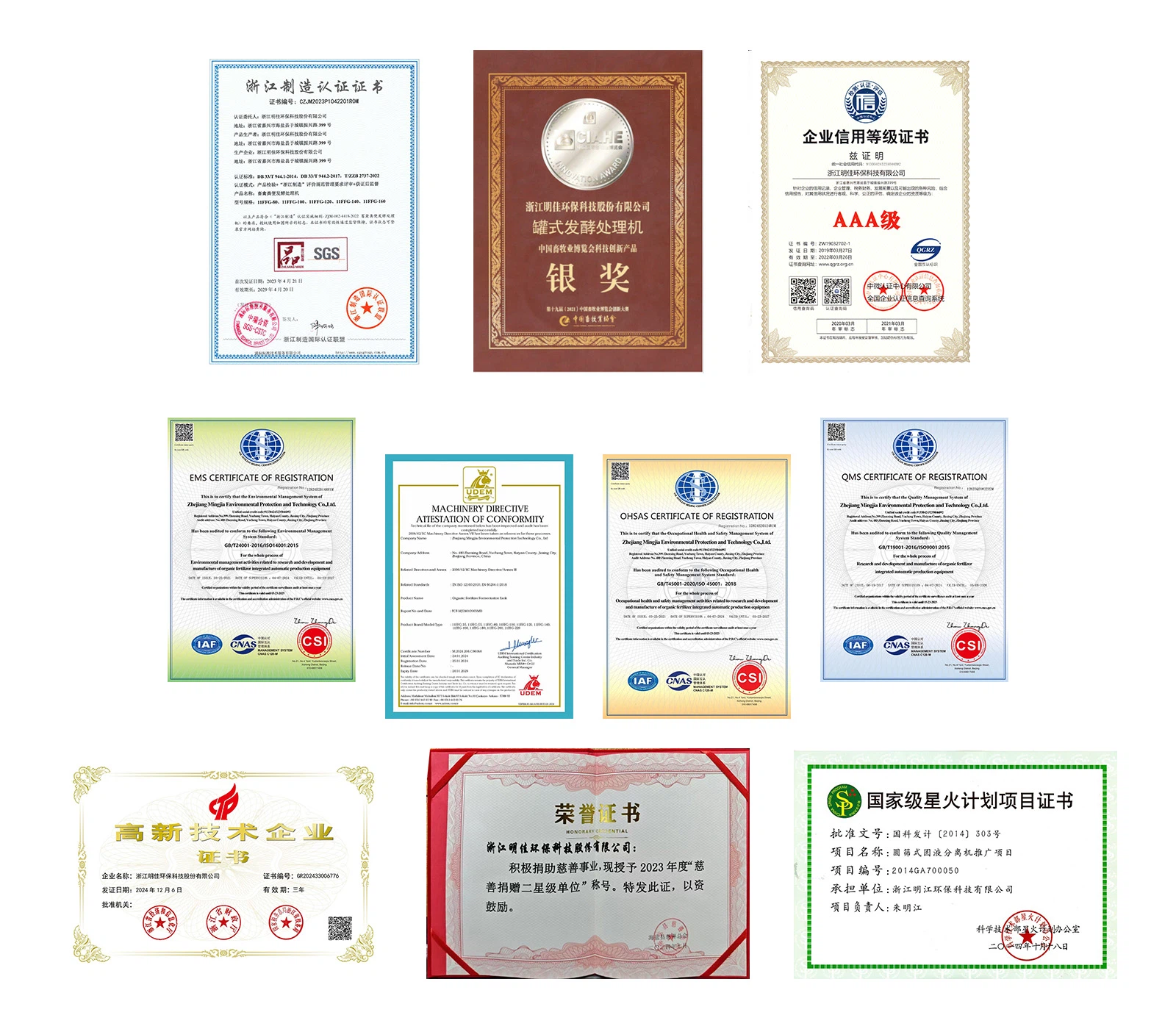
Certification
Cooperation cases


Features



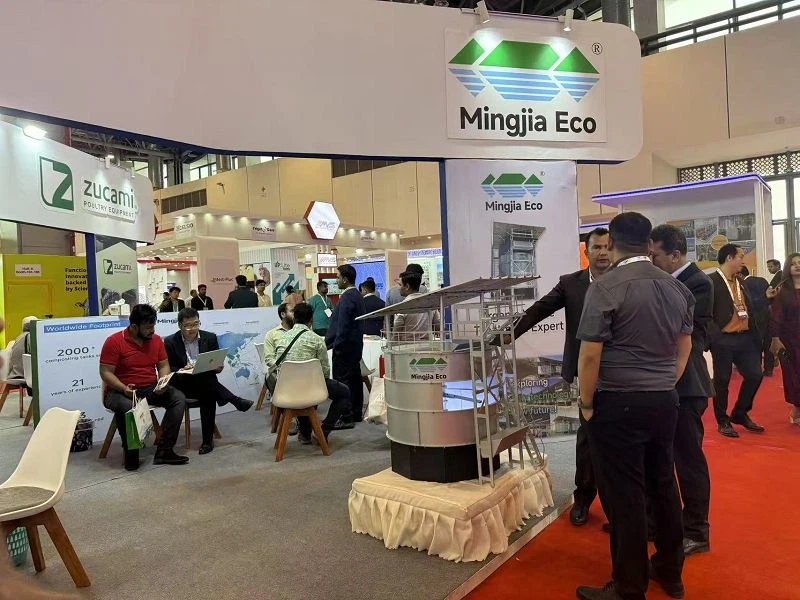
Exhibition

Shipment

4-6m³ 4-6m³ 6-8m³ 8-10m³ 10-12m³ 12-14m³ 16-19m³ 20-24m³ Tip:The Moisture Content of Fresh Chicken Manure is 65-70%
Working Principle
Main Tank Body
Cylindrical Design
The core of the manure fermentation tank is its cylindrical - shaped main body, constructed from high - grade stainless steel. The cylindrical form offers several advantages. Firstly, it maximizes the volume - to - surface - area ratio, which is crucial for efficient heat transfer and mass exchange during fermentation. This design also helps to evenly distribute the internal pressure generated by the fermentation process, enhancing the tank's structural stability. The corrosion - resistant property of stainless steel is of utmost importance as waste can be highly corrosive , ensuring the long - term durability of the tank.
Double - walled Structure
Our fermentation tanks feature a double - walled structure. The space between the two walls is filled with insulation materials of polyurethane foam. This insulation layer helps to maintain a stable internal temperature, which is essential for the optimal growth of the aerobic bacteria involved in the fermentation process. It also reduces heat loss to the surrounding environment, making the fermentation process more energy - efficient.
Applications
Certification
Cooperation cases
Features
Exhibition
Shipment
chicken manure fermentation tower automatic composting machine
Hot Tags: 2025 high temperature composting tank, China 2025 high temperature composting tank manufacturers, suppliers, 3 5 bbl fermenter, small fermentation vessel, conical unitank, industrial fermentation tank, 25l fermentation vessel, 10 bbl conical fermenter


