


With the continuous development of the poultry breeding industry, the problem of farm waste disposal has become increasingly prominent. Hatchery waste (such as waste eggs, eggshells) and dead chickens, if not properly treated, will not only pollute the environment but also cause the spread of pathogens, posing potential threats to ecological security and human health. The Farm Waste Compost Tank Processing Equipment Waste Egg Hatchery Waste Fermentation Process Dead Chickenprocessing equipment provides an efficient, environmentally friendly and sustainable solution for the harmless treatment and resource utilization of such wastes.
| Model | 11FFG-55 | 11FFG-80 | 11FFG-100 | 11FFG-120 | 11FFG-140 | 11FFG-160 | 11FFG-220 | 11FFG-280 |
| Body Volume | 55m³ | 80m³ | 100m³ | 120m³ | 140m³ | 160m³ | 220m³ | 280m³ |
| Power | 29.25kW | 34.25kW | 39.25kW | 43.75kW | 43.75kW | 43.75kW | 83.50kW | 112.00kW |
| Body Material | Double-layer Stainless Steel | |||||||
| handling capacity | 3-4 ton | 5-6 ton | 6-8 ton | 8-10 ton | 10-12 ton | 12-14 ton | 16-19 ton | 20-24 ton |
| Tip:The Moisture Content of Fresh Chicken Manure is 60-75% | ||||||||
Working Principle

Compost Machine
Overview of Farm Waste Compost Tank Processing Equipment
The farm waste compost tank processing equipment is a professional environmental protection equipment designed for the centralized treatment of various farm organic wastes, especially suitable for the fermentation and composting of hatchery waste, dead poultry, manure, crop straw and other materials. It integrates mixing, aeration, heating, insulation and discharge functions, realizing the closed-loop treatment of waste from collection to resource utilization, and effectively solving the problems of waste odor emission, pathogen propagation and environmental pollution.
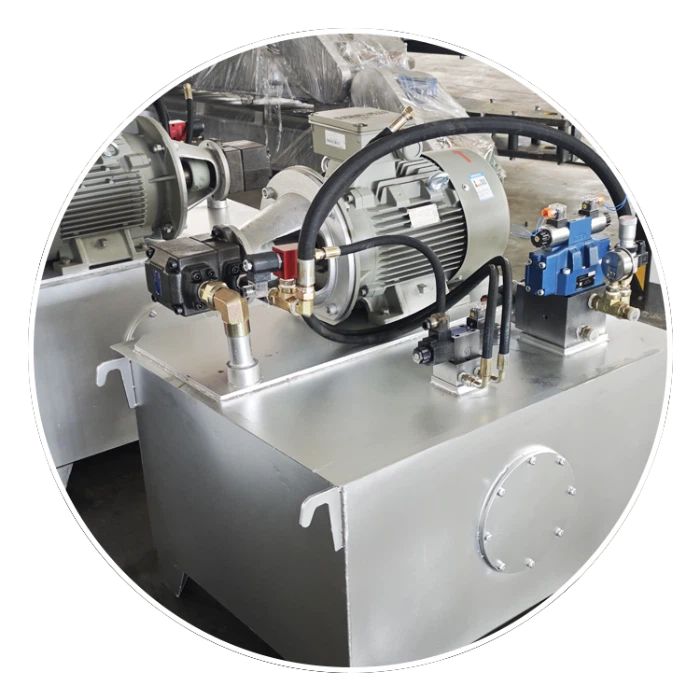
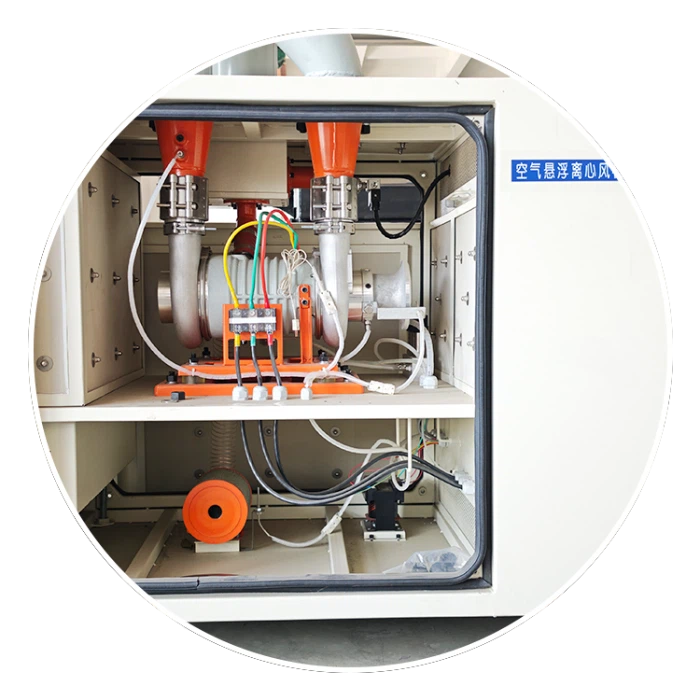
The core structure of the equipment mainly includes a sealed compost tank, a mixing and turning system, an aeration system, a temperature control system, a discharge system and an intelligent control system. The sealed compost tank adopts corrosion-resistant, high-temperature resistant and anti-leakage materials, which can prevent the leakage of waste leachate and odor, avoiding secondary pollution to the surrounding soil and air. The mixing and turning system can fully stir the waste materials, making the materials contact evenly with oxygen, accelerating the fermentation process; the aeration system continuously supplies oxygen to the tank, maintaining the aerobic environment required for microbial activity; the temperature control system can automatically adjust the internal temperature of the tank to ensure that the fermentation process is carried out at the optimal temperature (55-65℃), which can effectively kill pathogens, insect eggs and weed seeds in the waste; the intelligent control system realizes the automatic operation of the whole equipment, reducing manual intervention and improving treatment efficiency.
Aerobic Fermentation Stage
The aerobic fermentation stage is the core of the whole process, which is divided into three phases: heating phase, high-temperature phase and cooling phase.
In the heating phase, the aerobic microorganisms in the materials (such as bacteria, fungi, actinomycetes) start to multiply in a large number by using the organic matter in the waste as nutrients. The metabolic activities of microorganisms release heat, which makes the internal temperature of the tank gradually rise from room temperature to 55℃. This stage usually lasts for 1-2 days, and the main function is to activate the microorganisms and lay the foundation for the subsequent high-temperature fermentation.
In the high-temperature phase, when the temperature in the tank reaches 55-65℃, it enters the high-temperature fermentation period, which lasts for 3-5 days. At this temperature, most pathogenic bacteria (such as Salmonella, E. coli), insect eggs and weed seeds in the waste can be killed, realizing the harmless treatment of the waste. During this period, the mixing and turning system and aeration system work continuously: the mixing and turning system stirs the materials every 4-6 hours to make the materials contact evenly with oxygen, avoid local anaerobic fermentation (which will produce odor such as hydrogen sulfide), and ensure that the fermentation is carried out in an aerobic environment; the aeration system supplies oxygen to the tank at a certain flow rate, maintaining the oxygen content in the tank at 10-15%, which is necessary for the growth and metabolism of aerobic microorganisms. At the same time, the temperature control system monitors the internal temperature of the tank in real time, and adjusts the aeration volume and mixing frequency according to the temperature change to keep the temperature stable in the optimal range.
In the cooling phase, after the high-temperature fermentation, the organic matter in the materials is basically decomposed, the metabolic activity of microorganisms is weakened, and the heat release is reduced, so the internal temperature of the tank gradually drops to 40-50℃. This stage lasts for 2-3 days, and the main function is to further decompose the residual organic matter and stabilize the properties of the materials.
Applications


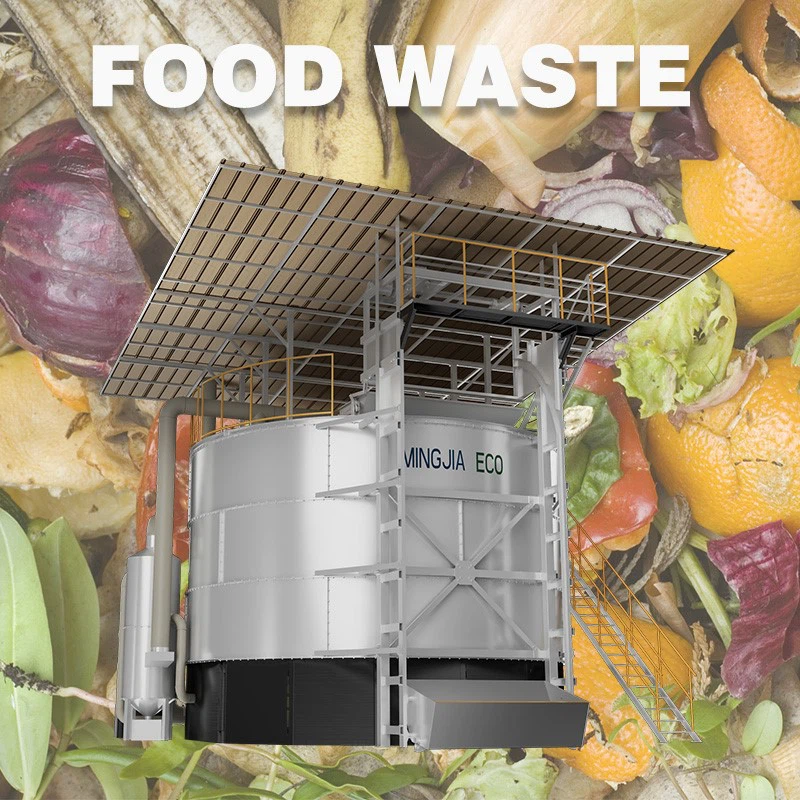

Certification
Cooperation cases


Features


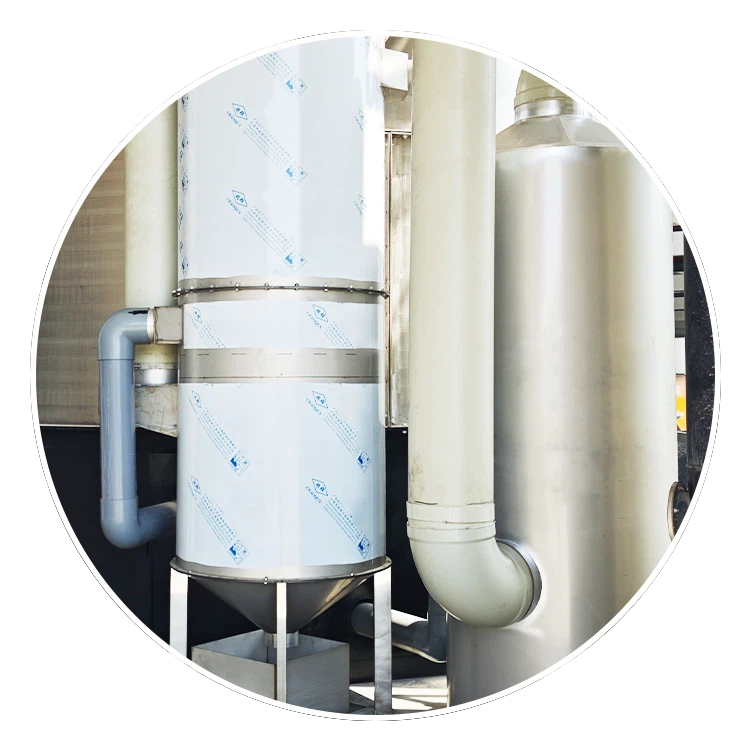
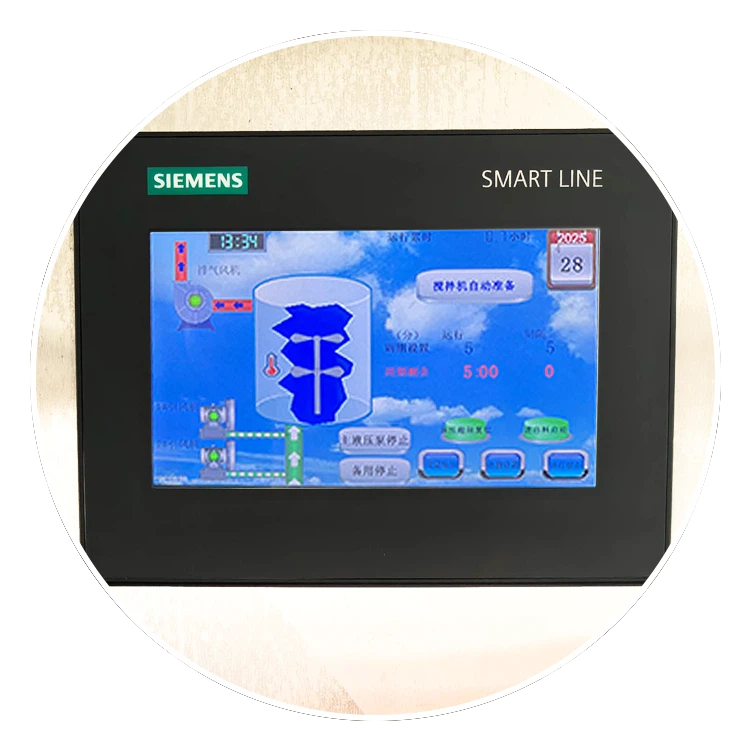
Exhibition

Shipment

Hot Tags: farm waste compost tank processing equipment waste egg hatchery waste fermentation process dead chicken, China farm waste compost tank processing equipment waste egg hatchery waste fermentation process dead chicken manufacturers, suppliers, tanks green stuff compost, Livestock Manure Compost Tank, vermicompost tank size, self composting septic system, compost septic tank system, Manure Compost Facility


