


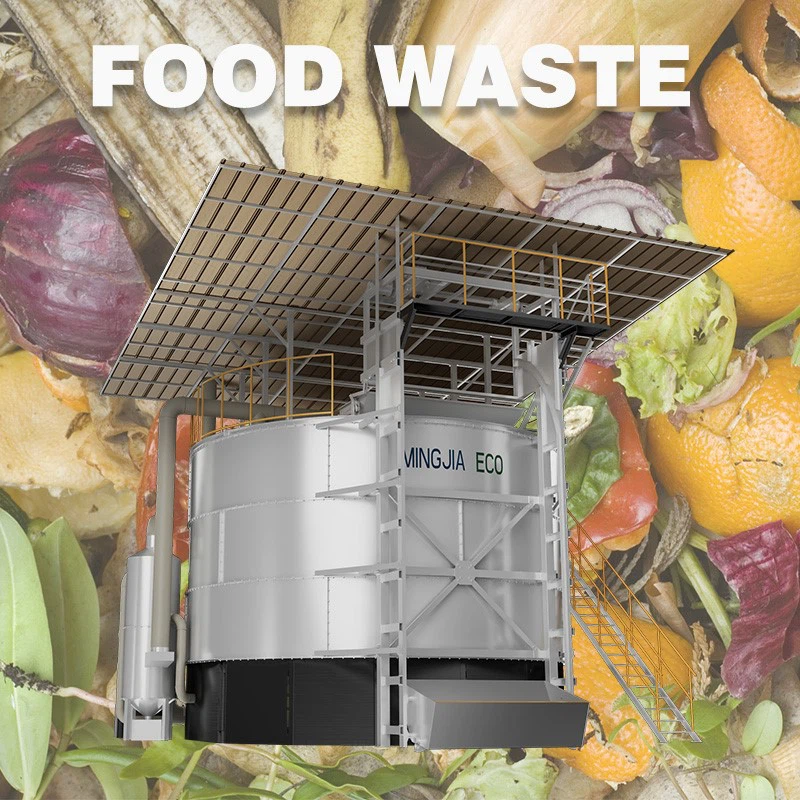
organic fertilizer fermentation tank animal waste compost tank animal dung fermentation tank
OK, let's take a detailed look at the working principle of the organic fertilizer fermentation tank.
The organic fertilizer fermentation tank, also known as the "closed fermentation tank" or "high-temperature aerobic fermentation tank", is a modern environmental protection equipment that uses aerobic fermentation technology of microorganisms to rapidly convert organic waste into high-quality organic fertilizer in a closed container.
The core principle can be summarized as: in an artificially created optimized environment, the metabolic action of aerobic microorganisms is utilized to rapidly and efficiently decompose, mature and stabilize organic matter.
Let's break down its working principle from several key aspects below:
I. Core Biochemical Processes: Aerobic Fermentation
1. Microbial action: The organic waste (such as livestock manure, kitchen waste, straw, etc.) put into the tank already contains a rich variety of microorganisms. Additionally, the equipment usually adds specially formulated fermentation agents. These aerobic microorganisms (such as bacteria, fungi, and actinomycetes) are the main force in decomposing organic matter.
2. Decomposition process: Under conditions where oxygen is present, microorganisms break down large, complex organic substances (such as proteins, cellulose, fats, etc.) through their metabolic activities into small molecules, stable humus, carbon dioxide, water, and heat. Organic matter + O₂ → Humus (organic fertilizer) + CO₂ + H₂O + Heat
II. How Equipment Creates the Optimal Environment for Microorganisms (Mechanical Principles)
The essence of a fermentation tank is an intelligent factory that provides "five-star service" for microorganisms. It ensures an efficient and rapid fermentation process through the following systems:
1. Aeration and oxygen supply system:
- Function: Provide the oxygen necessary for the life activities of microorganisms and the decomposition of organic matter, while expelling the CO₂ and water vapor produced by metabolism.
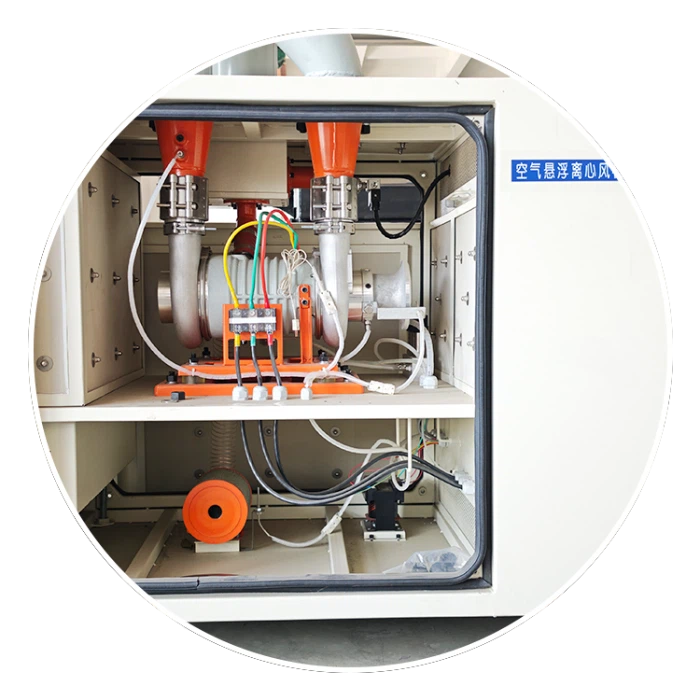
- Implementation: The bottom of the tank is equipped with an air distribution pipe, and high-pressure fans are used to force ventilation and supply oxygen from the bottom. Through an intelligent control system, the ventilation volume can be precisely controlled in an intermittent manner or based on temperature feedback, ensuring sufficient oxygen supply while avoiding excessive heat loss and energy waste.
2. Mixing and crushing system:
- Functions:
- Turning: Break up the material to prevent compaction, making it loose and evenly mixed, and preventing the formation of anaerobic conditions.
- Crushing: Break down large pieces of material to increase the contact area between the material and oxygen, enhancing the fermentation efficiency.
- Conveying: Some designs use spiral mixing blades to convey the material from the feed end to the discharge end while mixing.
- Implementation: The tank usually has a central shaft with multiple sets of mixing blades installed on it, driven by a motor to rotate slowly.
3. Insulation and heating system:
- Function: Maintain the appropriate temperature inside the tank. The fermentation process is divided into three stages:
- Heating period: Microorganisms become active, and the temperature rises to 50-60°C.
- High-temperature period: This is the most critical stage, where the temperature is typically maintained at 55-70°C. High temperatures can kill pathogenic bacteria, eggs, and weed seeds (meeting the harmless standard) and accelerate the degradation of organic matter.
- Cooling period: Organic matter is mostly decomposed, and the temperature gradually drops, with the material entering the maturation stage.
- Implementation: The tank is equipped with a double-layer insulation structure or an internal heating plate. During the initial stage of fermentation or when the ambient temperature is low, the auxiliary heating system can be activated to help the material quickly reach the high-temperature period. Once in the high-temperature period, the heat generated by the microorganisms themselves is sufficient to maintain the process, eliminating the need for additional heating.
4. Automated control system:
- Function: The "brain" of the entire process. By monitoring key parameters such as temperature, oxygen concentration, and humidity, it automatically adjusts the working states of the fans, mixing motors, and heating system, achieving fully automated operation and ensuring that the fermentation process remains in the optimal state at all times.
- Implementation: Temperature/oxygen sensors are installed inside the tank, transmitting data in real-time to the PLC or computer control system. Operators can easily monitor and set parameters through a touch screen.
III. Work Flow (Taking a Typical Continuous or Batch Tank as an Example)
1. Feeding: Pre-treated organic waste (with adjusted moisture content and C/N ratio) is mixed with fermentation agents and then sent into t
### 5. **Save Labor and Space** - High degree of automation reduces the need for manual turning in traditional composting; the three-dimensional design takes up less space and is suitable for large-scale production.
### 6. **High Adaptability** - Capable of handling various organic wastes (such as sludge and kitchen waste), and can operate throughout the year without being affected by seasonal climate changes.
### 7. **Significant Economic Benefits** - The produced organic fertilizer can be used for self-consumption or sold to generate additional income; long-term use can also improve soil quality, increase crop yields and enhance product quality.
8. **In line with policy guidance** - Respond to national environmental protection and organic agriculture policies, contribute to the "dual carbon" goals, and reduce greenhouse gas emissions (such as methane).
### Application Scenarios
- **Livestock Farms**: Treating livestock and poultry manure to address pollution issues.
- **Agricultural Parks**: On-site utilization of straw and fruit and vegetable waste.
- **Environmental Protection Projects**: Resourceful utilization of urban sludge and kitchen waste.
In conclusion, organic fertilizer fermentation tanks offer both ecological and economic benefits, and they are important tools for promoting green agriculture and sustainable development.
Models
| Model | 11FFG-55 | 11FFG-80 | 11FFG-100 | 11FFG-120 | 11FFG-140 | 11FFG-160 | 11FFG-220 | 11FFG-280 |
| Body Volume | 55m³ | 80m³ | 100m³ | 120m³ | 140m³ | 160m³ | 220m³ | 280m³ |
| Power | 29.25kW | 34.25kW | 39.25kW | 39.25kW | 43.75kW | 43.75kW | 84.25kW | 109.6kW |
| Body Material | Double-layer Stainless Steel | |||||||
| handling capacity | 4-6m³ | 4-6m³ | 6-8m³ | 8-10m³ | 10-12m³ | 12-14m³ | 16-19m³ | 20-24m³ |
| Tip:The Moisture Content of Fresh Chicken Manure is 65-70% | ||||||||
Working Principle

Main Tank Body
Cylindrical Design
The core of the manure fermentation tank is its cylindrical - shaped main body, constructed from high - grade stainless steel. The cylindrical form offers several advantages. Firstly, it maximizes the volume - to - surface - area ratio, which is crucial for efficient heat transfer and mass exchange during fermentation. This design also helps to evenly distribute the internal pressure generated by the fermentation process, enhancing the tank's structural stability. The corrosion - resistant property of stainless steel is of utmost importance as waste can be highly corrosive , ensuring the long - term durability of the tank.
Double - walled Structure
Our fermentation tanks feature a double - walled structure. The space between the two walls is filled with insulation materials of polyurethane foam. This insulation layer helps to maintain a stable internal temperature, which is essential for the optimal growth of the aerobic bacteria involved in the fermentation process. It also reduces heat loss to the surrounding environment, making the fermentation process more energy - efficient.

Applications



Certification
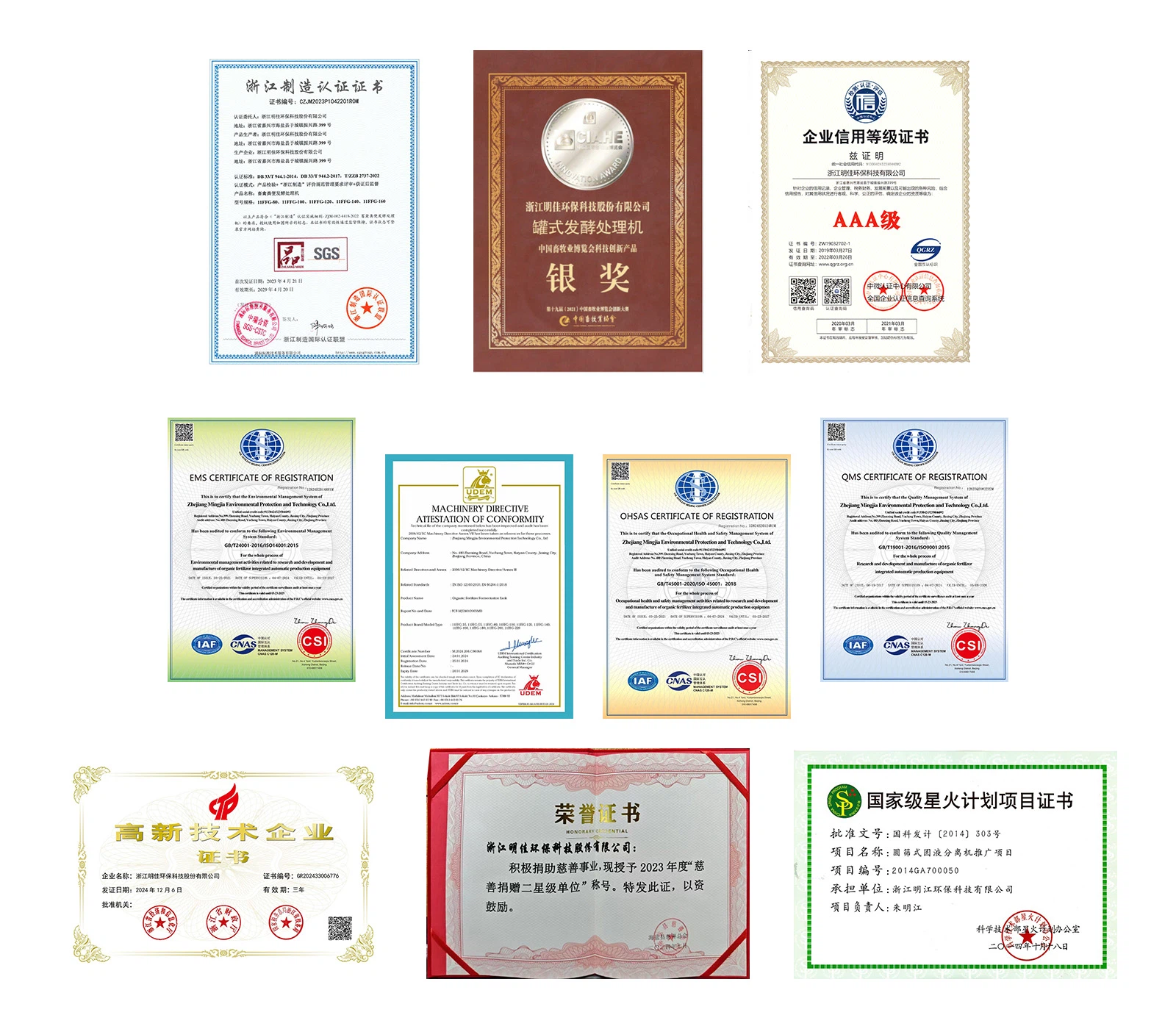
Cooperation cases


Features



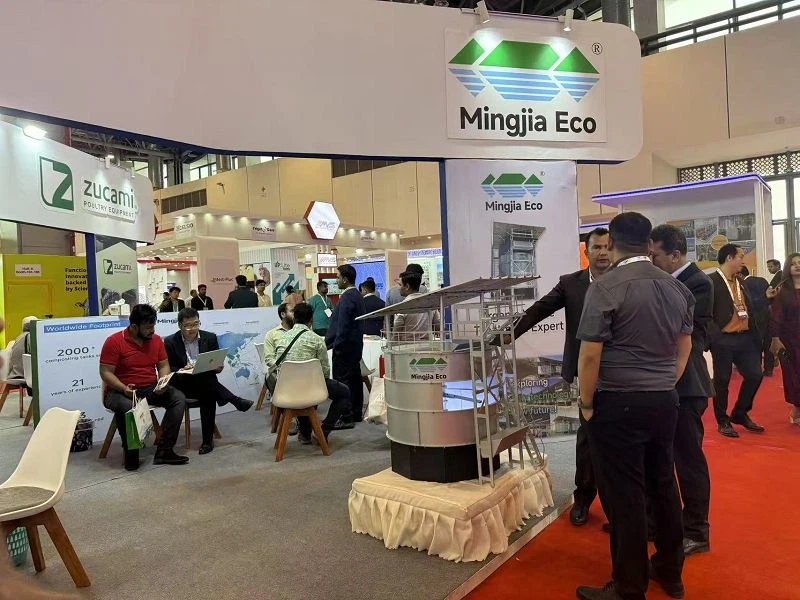
Exhibition

Shipment

Hot Tags: organic fertilizer fermentation tank animal waste compost tank animal dung fermentation tank, China organic fertilizer fermentation tank animal waste compost tank animal dung fermentation tank manufacturers, suppliers, fermentation vessels for sale, kombucha fermentation tank, plastic fermentation tank, Pig Farm Composter, jacketed unitank, 200l fermenter


