


I. Core Advantages: Efficiency and Environmental Protection
1. Extremely short fermentation cycle:
- Traditional open-air composting takes 45 to 60 days or even longer.
- Fermentation tanks create an optimal environment by controlling temperature, oxygen, and humidity, completing efficient decomposition in just 7 to 15 days, which boosts production efficiency several times over.
2. Thorough harmless treatment:
- High-temperature sterilization: The temperature inside the tank can be stably maintained at 55 to 70°C or even higher for several days. This high temperature effectively kills pathogenic bacteria, eggs, and seeds of weeds in livestock and poultry manure, preventing the spread of pests and diseases from the source and achieving thorough harmless treatment.
- Avoiding secondary pollution: The closed environment prevents the breeding of harmful microorganisms and flies.
3. Environmentally friendly and pollution-free:
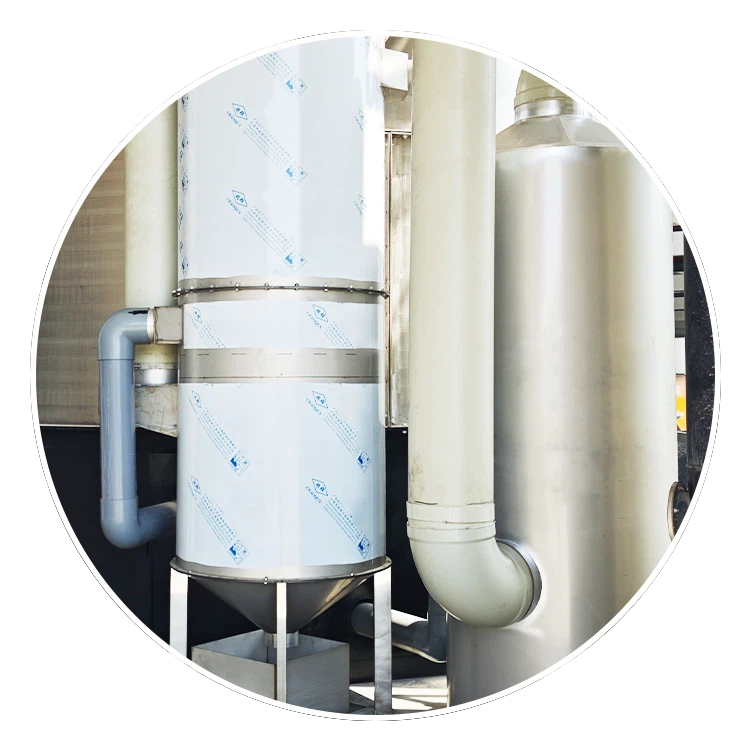
- Centralized treatment of exhaust gases: Ammonia, hydrogen sulfide, and other malodorous gases and greenhouse gases (such as methane) produced during the fermentation process are collected under negative pressure and treated through biofilters or spray towers and other deodorization systems before being discharged up to standard, greatly improving the environment of the factory and its surrounding areas and solving the problem of the foul smell from traditional composting.
- No leachate pollution: The closed tank eliminates the risk of fermentation liquid (leachate) seeping into the ground and polluting soil and water sources. The small amount of leachate produced can be recycled into the tank for further fermentation or treated centrally.
II. Product Quality and Economic Benefits
1. Improving fertilizer quality:
- Under optimal conditions, the microbial community is most active, capable of more thoroughly decomposing organic matter and generating more humus and beneficial microbial metabolic products (such as antibiotics and hormones).
- The final organic fertilizer produced has higher nutrient content, better fertilizer efficiency, is more easily absorbed by crops, and has stable and uniform quality.
2. Saving labor and space:
- Highly automated: Processes such as feeding, stirring, ventilation, and unloading can all be automated or semi-automated, requiring very little labor, reducing labor intensity and human resource costs.
- High space utilization: Using vertical or horizontal tank designs, the occupied area is very small. The processing capacity of one tank is equivalent to that of a large open-air composting site, making it particularly suitable for areas with tight land resources.
3. Unaffected by climate, allowing for year-round continuous production:
- Traditional composting is greatly affected by weather conditions such as rain, snow, and low temperatures.
- Fermentation tanks are closed equipment that can operate continuously 365 days a year, ensuring stable production plans and guaranteeing supply capacity.
III. Operational and Management Advantages
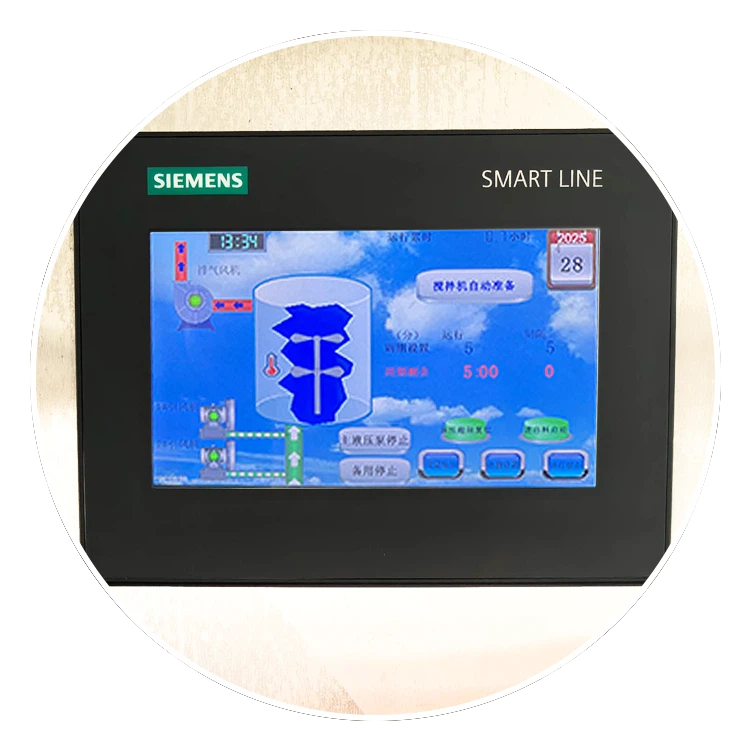
1. High degree of intelligence: · Integrated with PLC or computer control systems, it can monitor and adjust key parameters such as temperature, oxygen content, and humidity in the tank in real time, ensuring that the fermentation process is always in the optimal state and avoiding human experience errors. · Data can be recorded and traced, facilitating quality management and process optimization.
2. Resource utilization and turning waste into treasure: · It can convert these troublesome "pollution sources" such as livestock and poultry breeding, kitchen waste, sludge, and agricultural waste into high-value commercial organic fertilizers, solving environmental pressure and creating additional income, in line with the concept of circular economy.
Summary and Comparison
Characteristics Traditional Open-air Composting Intelligent Organic Fertilizer Fermentation Tank
Cycle 45-60 days or more 7-15 days
Environmental friendliness Odor diffusion, leachate pollution Odorless, no pollution
Decontamination Incomplete, greatly affected by weather Complete, stable
Land occupation Large Extremely small
Labor cost High Low
Weather influence Great No influence, year-round production
Product quality Unstable, high nutrient loss Stable, high-quality, efficient
Intelligence Relying on experience Automated and intelligent control
In conclusion, the benefits of organic fertilizer fermentation tanks are all-round and revolutionary. It is not merely a production device, but also an efficient tool that converts environmental pressure into economic benefits and promotes sustainable agricultural development. Although the initial investment is relatively high, the advantages it brings in terms of efficiency, environmental protection, product quality and long-term operating costs make it the preferred solution for large-scale and modern organic fertilizer production.
Models
| Model | 11FFG-55 | 11FFG-80 | 11FFG-100 | 11FFG-120 | 11FFG-140 | 11FFG-160 | 11FFG-220 | 11FFG-280 |
| Body Volume | 55m³ | 80m³ | 100m³ | 120m³ | 140m³ | 160m³ | 220m³ | 280m³ |
| Power | 29.25kW | 34.25kW | 39.25kW | 39.25kW | 43.75kW | 43.75kW | 84.25kW | 109.6kW |
| Body Material | Double-layer Stainless Steel | |||||||
| handling capacity | 4-6m³ | 4-6m³ | 6-8m³ | 8-10m³ | 10-12m³ | 12-14m³ | 16-19m³ | 20-24m³ |
| Tip:The Moisture Content of Fresh Chicken Manure is 65-70% | ||||||||
Working Principle

Main Tank Body
Cylindrical Design
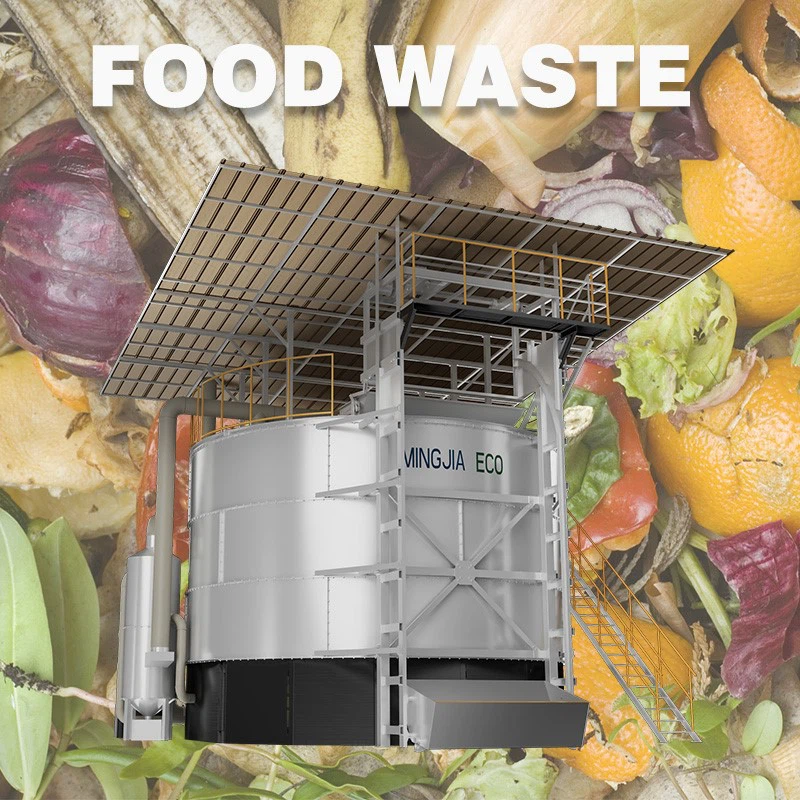
The core of the manure fermentation tank is its cylindrical - shaped main body, constructed from high - grade stainless steel. The cylindrical form offers several advantages. Firstly, it maximizes the volume - to - surface - area ratio, which is crucial for efficient heat transfer and mass exchange during fermentation. This design also helps to evenly distribute the internal pressure generated by the fermentation process, enhancing the tank's structural stability. The corrosion - resistant property of stainless steel is of utmost importance as waste can be highly corrosive , ensuring the long - term durability of the tank.
Double - walled Structure
Our fermentation tanks feature a double - walled structure. The space between the two walls is filled with insulation materials of polyurethane foam. This insulation layer helps to maintain a stable internal temperature, which is essential for the optimal growth of the aerobic bacteria involved in the fermentation process. It also reduces heat loss to the surrounding environment, making the fermentation process more energy - efficient.

Applications



Certification
Cooperation cases


Features


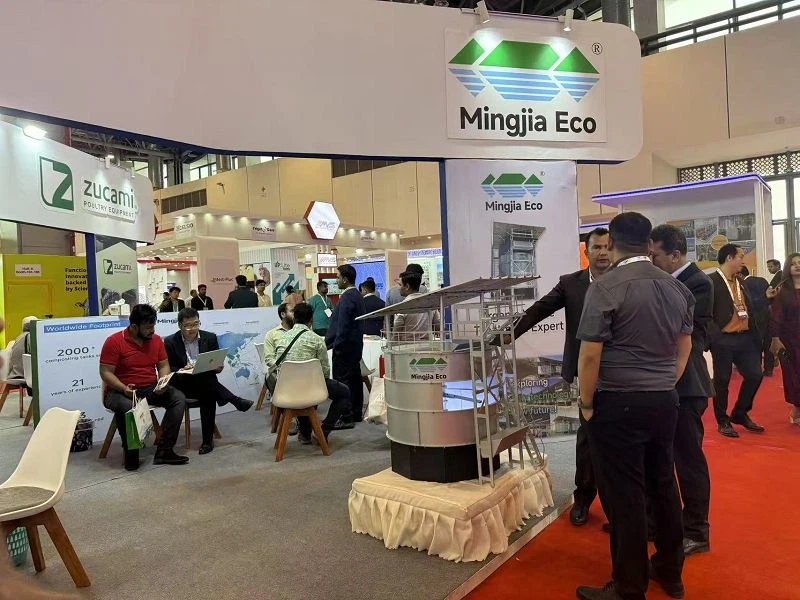
Exhibition

Shipment

Hot Tags: organic fertilizer fermentation tank vertical fermentation machine cylindrical manure waste compost tank, China organic fertilizer fermentation tank vertical fermentation machine cylindrical manure waste compost tank manufacturers, suppliers, 10 gallon fermentation tank, 100 gallon fermentation tank, 15 bbl fermenter, 20 gallon conical fermenter, conical fermentation tank, plastic fermentation tank


