


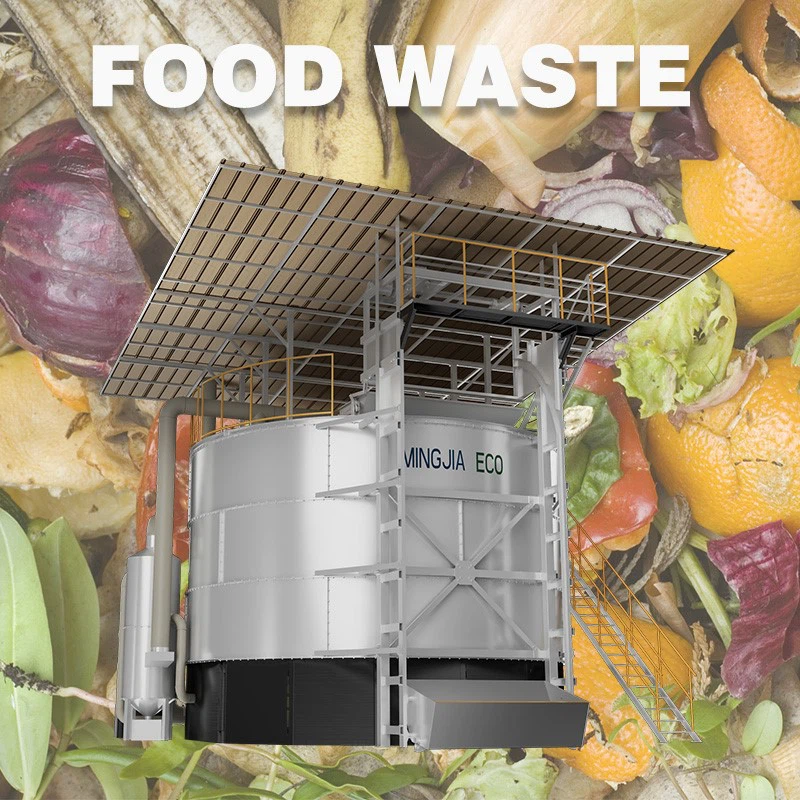
In the modern poultry farming industry, proper waste management is not only an environmental imperative but also a key factor in sustainable production. Poultry manure, a major by - product of poultry farms, can pose significant environmental challenges if not managed correctly. Poultry farm composter offers an effective solution by converting this waste into a valuable resource - high - quality organic compost. This compost can then be used to enhance soil fertility in agriculture, closing the loop between animal agriculture and crop production.
Models
| Model | 11FFG-55 | 11FFG-80 | 11FFG-100 | 11FFG-120 | 11FFG-140 | 11FFG-160 | 11FFG-220 | 11FFG-280 |
| Body Volume | 55m³ | 80m³ | 100m³ | 120m³ | 140m³ | 160m³ | 220m³ | 280m³ |
| Power | 29.25kW | 34.25kW | 39.25kW | 39.25kW | 43.75kW | 43.75kW | 84.25kW | 109.6kW |
| Body Material | Double-layer Stainless Steel | |||||||
| handling capacity | 4-6m³ | 4-6m³ | 6-8m³ | 8-10m³ | 10-12m³ | 12-14m³ | 16-19m³ | 20-24m³ |
| Tip:The Moisture Content of Fresh Chicken Manure is 65-70% | ||||||||
Structure and Components
-
1) Composting Vessel
• The composting vessel is the core component, which is made of double-layer stainless steel.Stainless steel is a premier choice for constructing the tank body. Its corrosion - resistant properties are of utmost importance, considering the highly acidic and moist environment within the tank. Poultry manure contains various organic acids and high - moisture content, which can cause rapid corrosion to ordinary metals. Stainless steel, with its chromium - rich oxide layer, can effectively resist these corrosive substances. 304 stainless steel offers good general corrosion resistance.
-

2) Agitation System
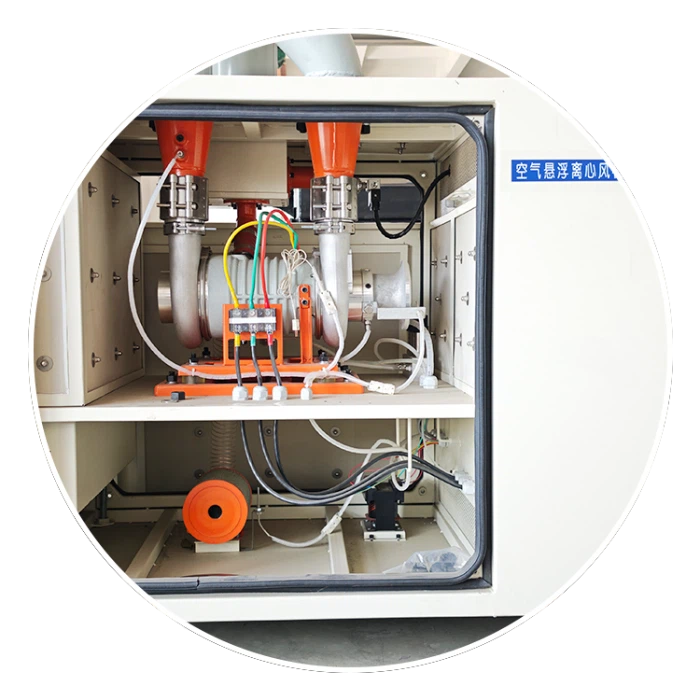
Aeration is crucial for the aerobic composting process. It is equipped with an aeration system that ensures a continuous supply of oxygen to the composting materials.
-
3) Moisture Control System
Maintaining the right moisture content is essential for successful composting. Poultry manure is often high in moisture, but it needs to be within the optimal range of 30 - 35% for efficient decomposition.
-
4) Temperature Monitoring System
• Temperature is a key parameter in the composting process. Poultry farm composter is fitted with temperature sensors, which are placed at different locations within the composting vessel accurately measure the temperature.
• The ideal temperature range for poultry manure composting is between 45 - 70°C (113 - 158°F).
Working Principle
1)Feedstock Preparation
• The process begins with the collection of poultry manure. Along with the manure, other organic materials such as bedding materials (e.g., straw, wood shavings) are also collected. These materials are mixed create a suitable feedstock for composting. The bedding materials not only help to adjust the carbon - to - nitrogen (C:N) ratio but also improve the porosity of the composting mixture.
2)Microbial Activity
• Once the feedstock is placed in the composter, a diverse community of microorganisms, including bacteria, fungi, and actinomycetes, starts to break down the organic matter. These microorganisms are naturally present in the poultry manure.
• Aerobic bacteria are the primary decomposers during the initial stages of composting. As the composting process progresses, thermophilic (heat - loving) microorganisms become dominant. These thermophilic bacteria and fungi can tolerate the high temperatures generated during composting and are responsible for the rapid decomposition of complex organic compounds.
3)Composting Phases
• The composting process can be divided into three four phases: the warming phase, the high temperature phase, the cooling phase and the maturity phase. It usually lasts 7-10 days.
• Warming Phase: In the early stage, the temperature of the composting mixture ranges from 25 - 45°C (77 - 113°F). Mesophilic microorganisms, which are active at these temperatures, start to break down the easily degradable organic matter, such as simple sugars and starches.
• High temperature Phase: As the microbial activity increases, the temperature rises to the thermophilic range of 45 - 70°C (113 - 158°F). This phase is crucial for pathogen and weed - seed destruction. The high temperature makes the final compost product safe for agricultural use.
• Cooling Phase and maturity phase: After the thermophilic phase, the temperature gradually decreases, and the compost enters the curing phase. During this phase, the remaining organic matter is further decomposed into a more stable form, and the compost matures.

Benefits
1)Environmental Benefits
• Pollution Reduction: Poultry manure contains high levels of nitrogen, phosphorus, and organic matter. If not properly managed, it can leach into groundwater, causing water pollution, or release greenhouse gases such as ammonia and methane into the atmosphere. Composting reduces these environmental risks by converting the manure into a stable and less - polluting product.
• Waste Management: Composting provides an effective solution for managing the large volumes of poultry manure generated on farms. Instead of piling up the manure, which can be a source of odor and environmental nuisance, it is transformed into a valuable resource, reducing the need for landfilling or other disposal methods.
2) Agricultural Benefits
• Soil Fertility Improvement: The compost produced from poultry manure is rich in nutrients, including nitrogen, phosphorus, potassium, and organic matter. When applied to agricultural fields, it improves soil structure, water - holding capacity, and nutrient availability. The organic matter in the compost helps to bind soil particles together, creating a more porous soil structure that is beneficial for root growth and water infiltration.
• Sustainable Fertilizer Source: Using compost as a natural fertilizer reduces the reliance on synthetic fertilizers. Synthetic fertilizers can have negative impacts on the environment, such as soil acidification and water pollution. Compost, on the other hand, is a sustainable and renewable source of plant nutrients, contributing to long - term soil health and agricultural sustainability.
3) Economic Benefits
• Cost - Savings: Poultry farmers can save money on fertilizer purchases by using the compost produced on - site. Additionally, proper composting can reduce the costs associated with waste disposal. For example, if a farm was previously paying for the removal of poultry manure, composting can eliminate this expense.
• Additional Revenue Streams: In some cases, the high - quality compost can be sold to local farmers, gardeners, or landscaping companies. This creates an additional revenue stream for the poultry farm, turning a waste product into a profitable commodity.
Applications
Poultry farm composter is an essential tool for modern poultry farmers, enabling them to manage waste effectively, protect the environment, and enhance agricultural productivity. By understanding the structure, working principle and benefits, farmers can make informed decisions about implementing composting systems on their farms. With continued technological advancements and a growing awareness of the importance of sustainable agriculture, the role of it is likely to become even more significant in the future, contributing to a more circular and environmentally friendly agricultural industry.



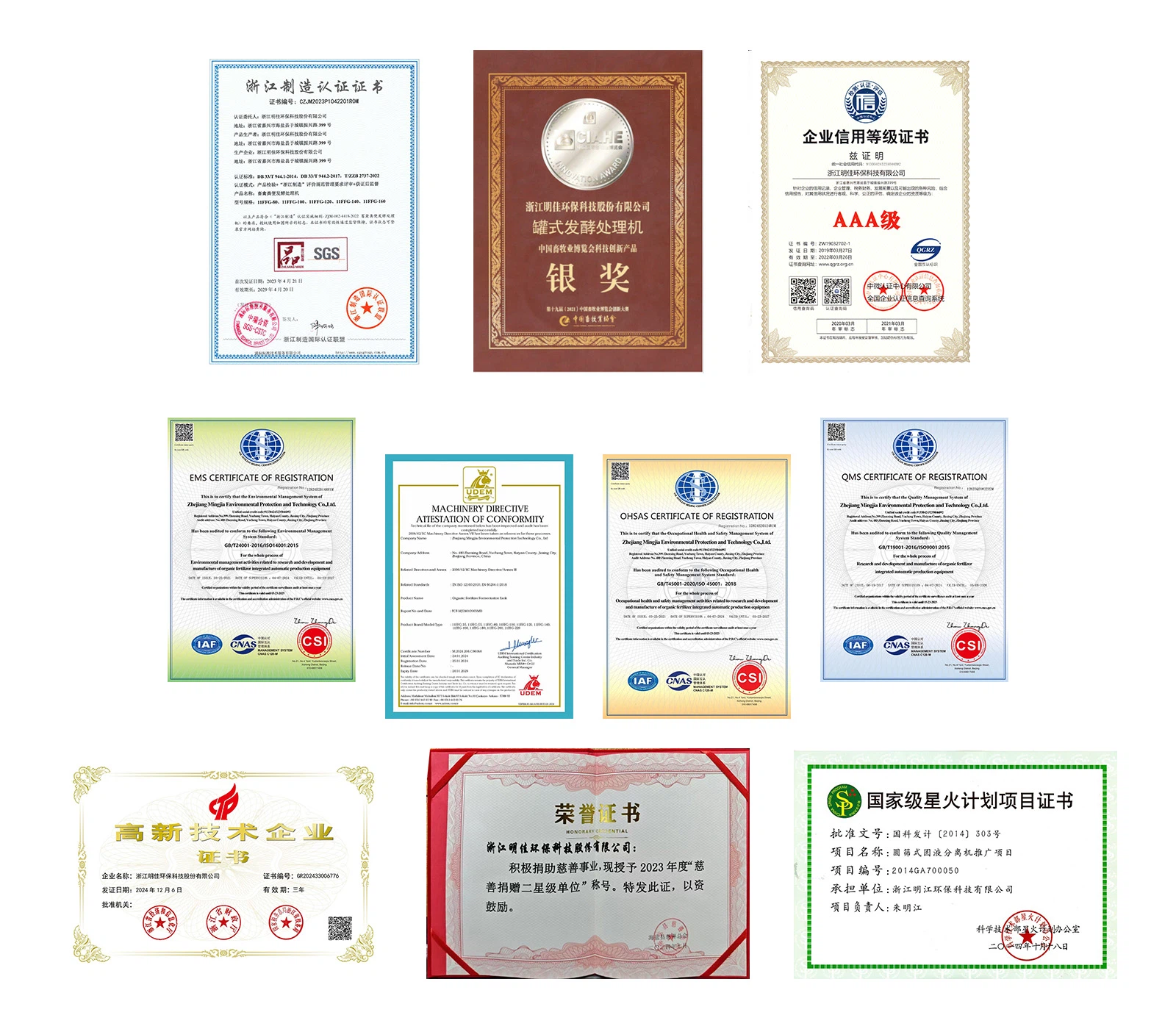
Certification
Cooperation cases


Features



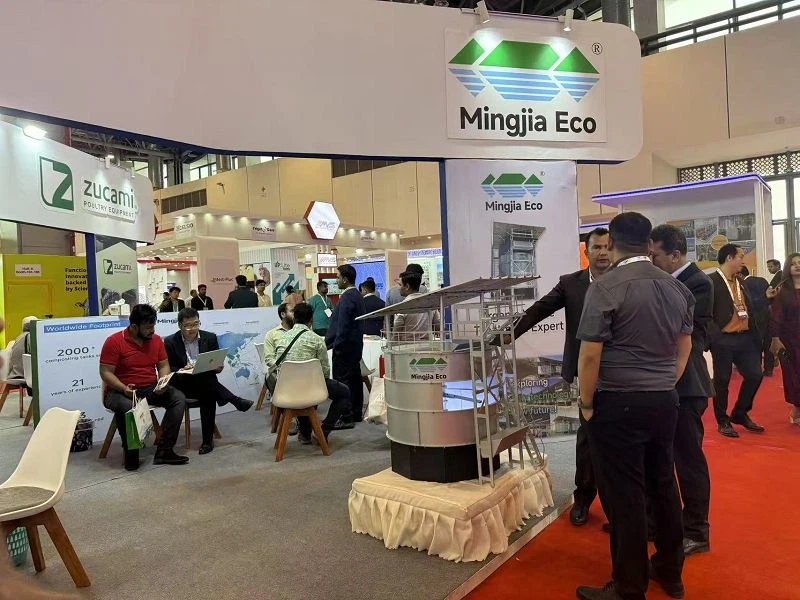
Exhibition

Shipment

Hot Tags: poultry farm composter, China poultry farm composter manufacturers, suppliers, Large Fermentation Vessel, 10 bbl conical fermenter, ss fermentation tanks, 1 bbl jacketed fermenter, used stainless steel fermentation tanks for sale, 50 gallon fermentation tank


