


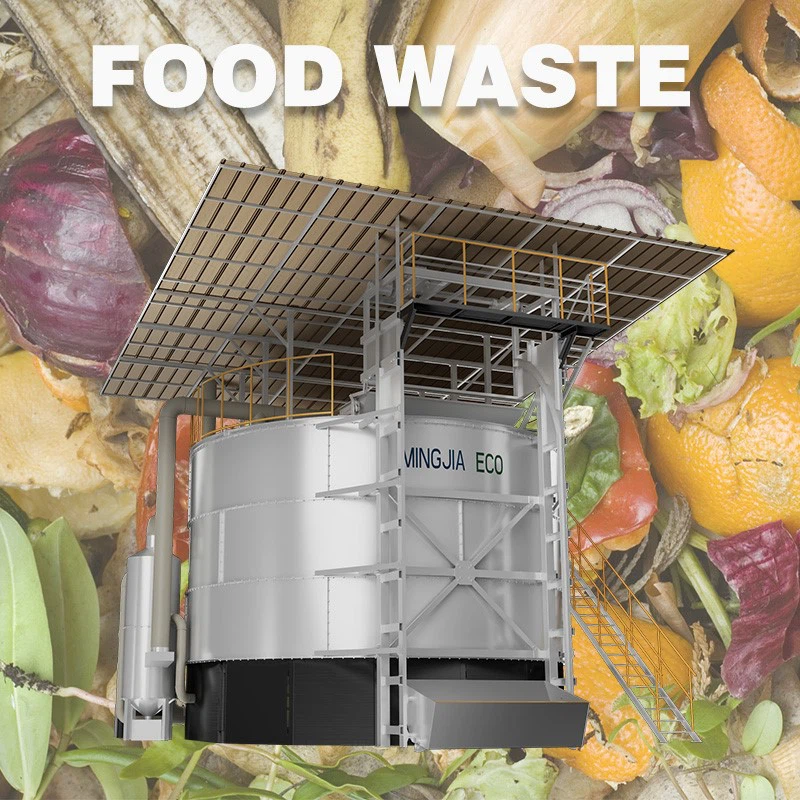
In the pursuit of sustainable agriculture and effective waster management, Mingjia's farm waste fermentation tank has emerged as a cornerstone solution. These tanks play a pivotal role in transforming various forms of farm waste, such as animal manure, crop residues, and food processing by -products, into valuable resources like compost and biogas. The functionality and efficiency of a fermentation tank are intrinsically linked to its structure. A well-designed structure ensures optima conditions for the fermentation process, maximizes resource recovery, and minimizes environmental impact.
Models
| Model | 11FFG-55 | 11FFG-80 | 11FFG-100 | 11FFG-120 | 11FFG-140 | 11FFG-160 | 11FFG-220 | 11FFG-280 |
| Body Volume | 55m³ | 80m³ | 100m³ | 120m³ | 140m³ | 160m³ | 220m³ | 280m³ |
| Power | 29.25kW | 34.25kW | 39.25kW | 39.25kW | 43.75kW | 43.75kW | 84.25kW | 109.6kW |
| Body Material | Double-layer Stainless Steel | |||||||
| handling capacity | 4-6m³ | 4-6m³ | 6-8m³ | 8-10m³ | 10-12m³ | 12-14m³ | 16-19m³ | 20-24m³ |
| Tip:The Moisture Content of Fresh Chicken Manure is 65-70% | ||||||||
Structure
1.Tank body
-

1) Materials
The tank body is the most prominent and essential part of the fermentation tank, serving as the containment vessel for the waste and the site where fermentation occurs.lt is constructed from materials chosen for their durability, chemical resistance, and insulation properties.
1.1.1Stainless steel is a popular choice for fermentation tank bodies, especially in large scale commercial applications.lts corrosion -resistant nature makes it idea for handling the farm waste, which contains high levels of organic acids, ammonia, and other reactive substances. -
2) Design Features
The design of the tank body is crucial for the efficient operation of the fermentation tank.
1.2.1 Shape
Fermentation tanks are designed to be cylindrical. Our Cylindrical tanks are popular due to their structural integrity and uniform stress distribution. The circular cross - section allows for even pressure distribution around the tank walls, reducing the risk of structural failure. Cylindrical tanks also have a relatively small surface - to - volume ratio, which helps to minimize heat loss and gas leakage.
1.2.2 Volume and Capacity
The volume and capacity of the fermentation tank depend on the amount of farm waste to be processed. Small - scale family farms may require tanks with a capacity of a few cubic meters, while large - scale commercial farms or agricultural waste treatment plants may need tanks with capacities ranging from hundreds of cubic meters. The tank capacity should be carefully calculated based on the daily or weekly waste production rate, the fermentation time, and the desired end - product output. Over - sizing the tank can lead to inefficient use of resources and increased capital costs, while under - sizing can result in incomplete fermentation and sub optimal waste treatment.
1.2.3 Wall Thickness
The wall thickness of the tank body is determined by several factors, including the material used, the tank size, and the internal pressure. The wall thickness also affects the tank's insulation properties and its ability to withstand external forces, such as wind and impact.
1.2.4 Sealing Mechanisms
A tight - fitting seal is essential for the fermentation tank to prevent the leakage of odorous gases, liquids, and pathogens. In the aerobic fermentation tanks, where biogas is produced, a gas - tight seal is crucial to ensure the safe collection and utilization of the biogas. The sealing joints are guaranteed and maintained to prevent any leaks, which can not only cause environmental pollution but also reduce the efficiency of the fermentation process.
-

3) Spray and Deodorization System
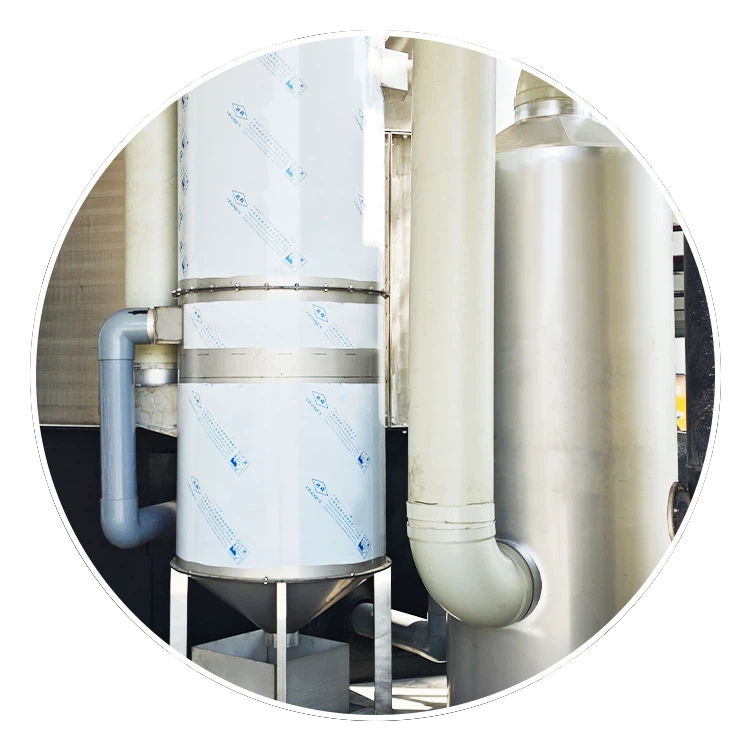
In order to improve the efficiency of removing air pollution odor generated from the fermentation, the absorbent is sufficiently contact with the odor(ammonia gas, hydrogen sulfide, sulfur dioxide,etc,), to achieve the purpose of odor absorbed by absorbent, thereby achieving the discharge standard. Therefore, this device is designed with a spray and deodorization system. The device is designed to be used in conjunction with the fermentation equipment. The spray method can remove the generated gas and 98% of the leachate, thereby eliminating 98% of the pollutants. The liquid organic fertilizer produced by the deodorization system can also be used directly in the field.
-

4) Intelligent Operating System
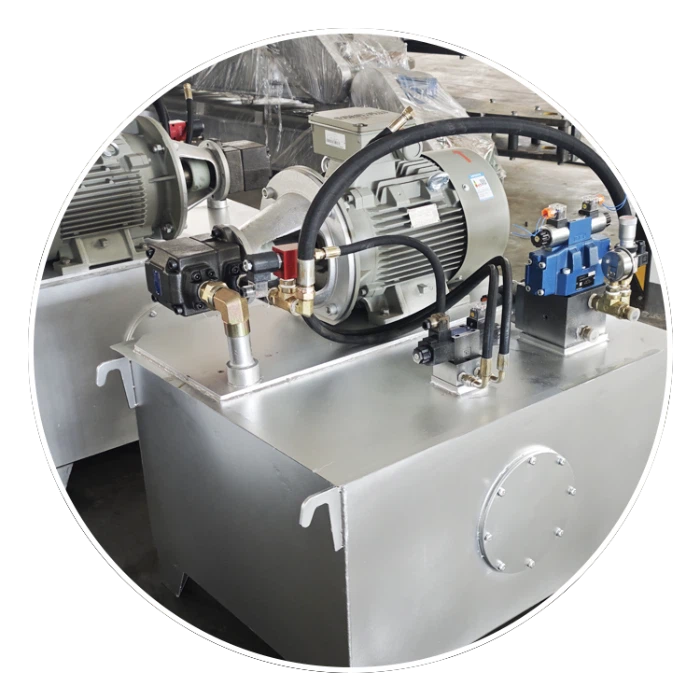
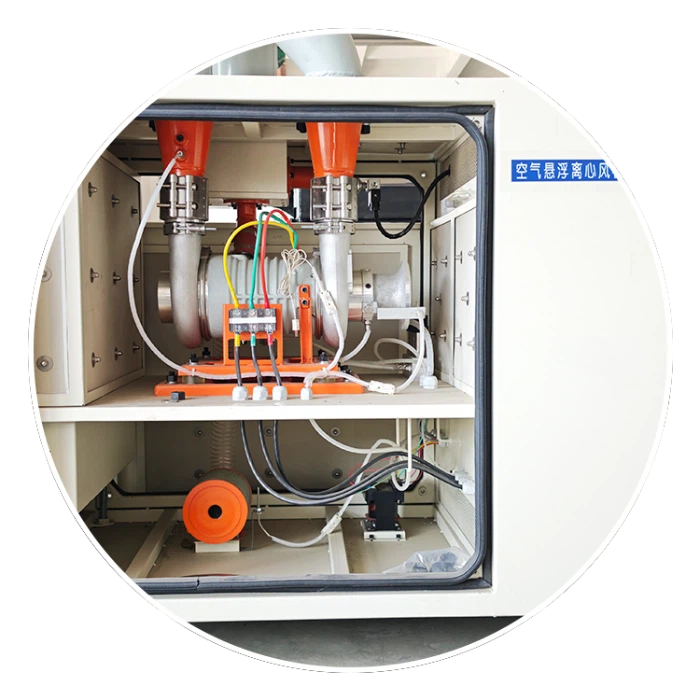
The equipment control system adopts stainless steel double door dust-proof electric cabinet and the internal electrical appliances adopts first-class brands such as Schneider and Chint. The microcomputer operating system monitors all relevant data in the whole process. And we can choose to use automatic, semi-automatic, manual and other operation modes and realize remote monitoring and operation of the mobile phone according to different customers' requirement,
Applications



Working Principle

Certification
Cooperation cases


Features



Exhibition

Shipment

Hot Tags: farm waste fermentation tank, China farm waste fermentation tank manufacturers, suppliers, cylindrical conical tank, 30 gallon fermenter, Pig Farm Composter, unitank water tank, stainless steel brewing tanks, unitank water tank price


