


In modern agriculture, the pursuit of sustainable and eco - friendly fertilization methods has led to the widespread use of organic fertilizer producer. It plays a crucial role in efficiently converting organic waste into high - quality organic fertilizers.
Models
| Model | 11FFG-55 | 11FFG-80 | 11FFG-100 | 11FFG-120 | 11FFG-140 | 11FFG-160 | 11FFG-220 | 11FFG-280 |
| Body Volume | 55m³ | 80m³ | 100m³ | 120m³ | 140m³ | 160m³ | 220m³ | 280m³ |
| Power | 29.25kW | 34.25kW | 39.25kW | 39.25kW | 43.75kW | 43.75kW | 84.25kW | 109.6kW |
| Body Material | Double-layer Stainless Steel | |||||||
| handling capacity | 4-6m³ | 4-6m³ | 6-8m³ | 8-10m³ | 10-12m³ | 12-14m³ | 16-19m³ | 20-24m³ |
| Tip:The Moisture Content of Fresh Chicken Manure is 65-70% | ||||||||
Structure
-
1) Tank Body
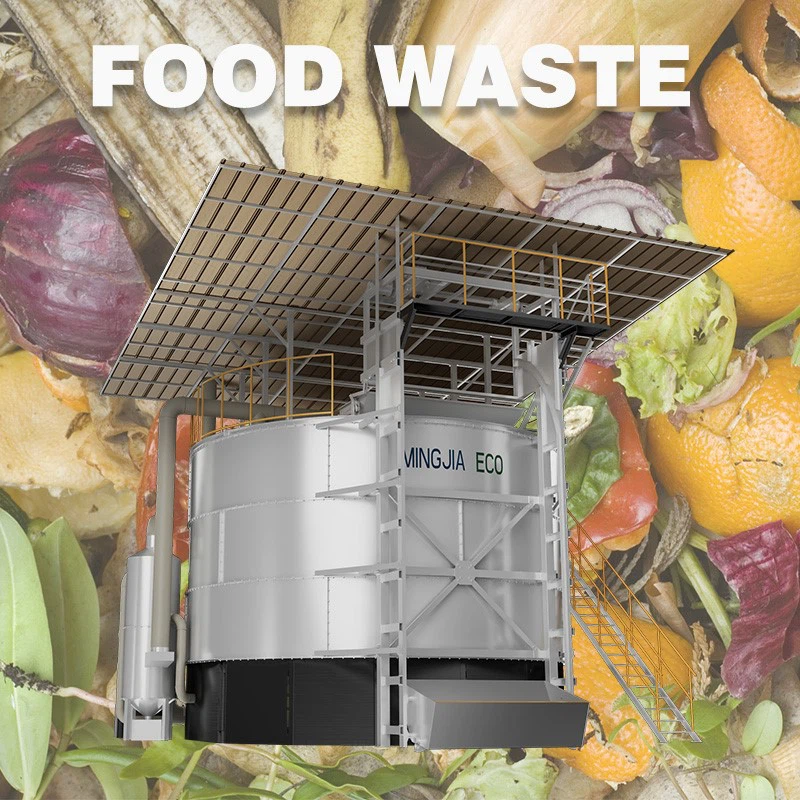
The tank body is typically made of double-layer of high - strength and corrosion - resistant stainless steel. Stainless steel offers excellent durability and can withstand the harsh chemical environment inside the tank.
-
2) Insulation Layer
An agitation system, including agitation shift, agitation blades and gear, is installed inside the tank. Its function is to mix the organic waste evenly. Regular agitation ensures that all parts of the input are exposed to oxygen, heat, and microorganisms, which promotes uniform fermentation.
-
3) Stirring System
The stirring system is a vital component of the fermentation tank. It consists of a motor, a stirring shaft and stirring blades. The motor provides the power. The stirring shaft runs through the center of the tank, and the blades are attached to the shaft. The blades are designed in a specific triangle shape to create a uniform mixing flow pattern.
-
4) Inlet and Outlet Systems
1) Sensor Array
• Temperature Sensors
High - precision temperature detectors are strategically placed at multiple points inside the organic fertilizer produce. These sensors continuously monitor the temperature of the fermentation environment. Since the optimal temperature range for efficient fecal fermentation is typically between 45 - 70°C (113 - 158°F) for the high - temperature, pathogen - killing phase, the temperature sensors play a crucial role in ensuring that the fermentation process stays within this ideal range.
2)Control Unit
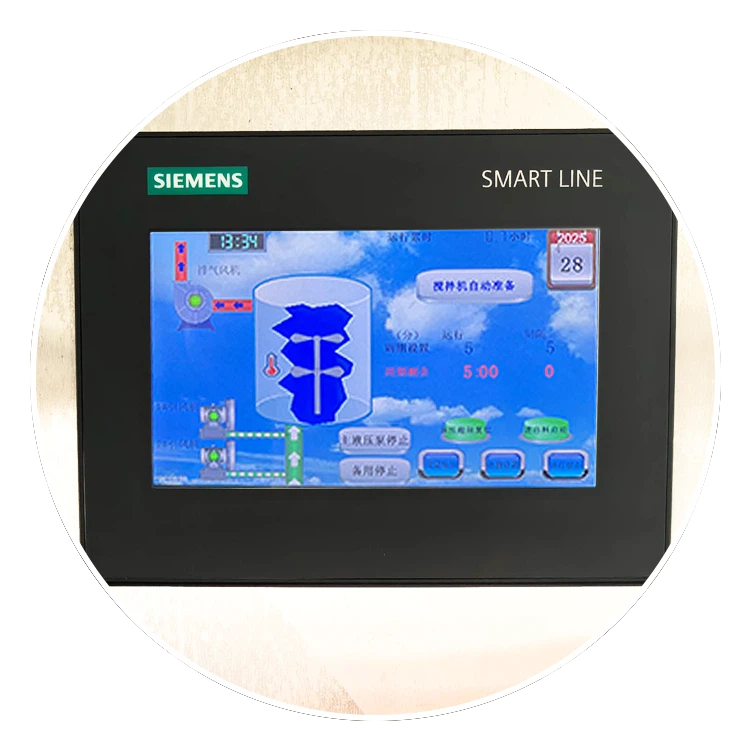
• PLC: This is the core of the intelligent control system. A programmable logic controller (PLC) is used to process the data received from the sensors.
• Data Storage and Analysis: The control unit stores historical sensor data over time. This data can be analyzed to identify trends in the fermentation process, such as how temperature and moisture change during different stages of fermentation. By analyzing this data, operators can optimize the fermentation process, predict potential problems, and make more informed decisions about process adjustments.
3)Human - Machine Interface (HMI)
• Monitoring and Control Interface: It provides operators with a user - friendly platform to monitor the fermentation process. This can be a touch - screen panel, a computer monitor, or a mobile application. Operators can view real - time sensor data.
Working Principle

1. Raw Material Input
Organic waste materials, such as animal manure, crop residues, and food waste, are first collected and pre - treated if necessary. For example, large - sized materials may be shredded to increase the surface area for better fermentation. The pre - treated raw materials are then fed into the fermentation tank through a loading port.
2. Microbial Fermentation
Once the raw materials are in the tank, microorganisms in the organic waster start to break down the organic matter in the presence of oxygen. The stirring system ensures that the microorganisms are evenly distributed and that the organic materials are constantly mixed. As the microorganisms metabolize the organic matter, they release heat, which raises the temperature inside the tank. The high - temperature stage (45-70°C) can kill pathogens, weed seeds, and other harmful substances in the raw materials.
3. Maturity and Discharge
After a certain fermentation period (usually 7 - 10 days), the organic materials are transformed into mature organic fertilizer. The finished product is then discharged from the tank through a discharge port at the bottom of the tank for further processing, such as screening, granulation, and packaging.
Advantages
1. High - Efficiency Fermentation
The controlled environment in the fermentation tank, including proper aeration, temperature, and moisture control, accelerates the fermentation process. Compared to traditional open - air composting methods, the fermentation time can be significantly reduced, which improves production efficiency.
2. Environmental Protection
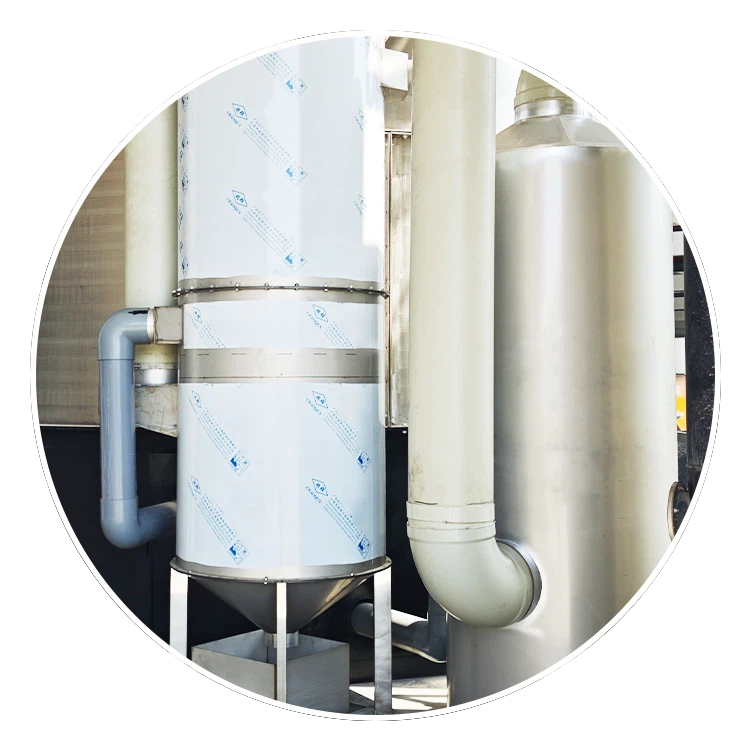
By confining the fermentation process within the tank, the emission of foul - smelling gases and the spread of pathogens are effectively reduced. The gas - collection system can also treat harmful gases, minimizing environmental pollution. Moreover, the conversion of organic waste into fertilizer reduces the amount of waste going to landfills or incinerators.
3. Quality - Controlled Product
The uniform mixing and precise control of fermentation conditions ensure a consistent quality of the organic fertilizer. The final product has a stable nutrient content, which is beneficial for plant growth and can meet the specific requirements of different crops and soil conditions.
Applications



Certification
Cooperation cases


Features


Exhibition

Shipment

Hot Tags: organic fertilizer producer, China organic fertilizer producer manufacturers, suppliers, 40 bbl fermenter, 100l fermentation tank, jacketed conical fermenter, 500 gallon fermentation tank, ss fermentation tanks, used fermentation tank


