


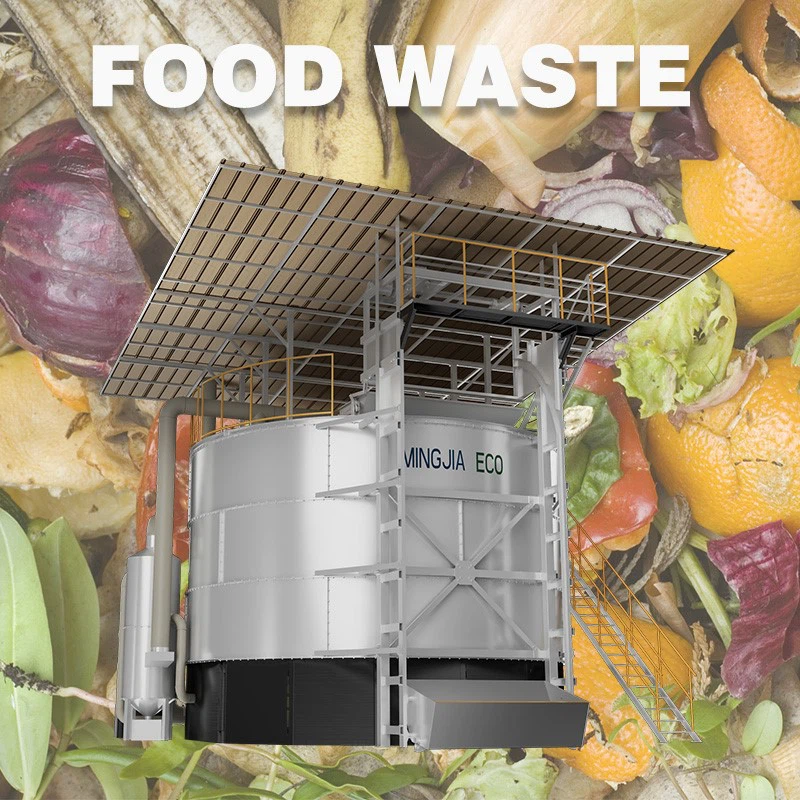
In the modern era, with the rapid development of agriculture, animal husbandry and urbanization, the issue of fecal waste management has become increasingly prominent. Mingjia is Large fermentation vessel plays a crucial role in dealing with fecal matter, providing an efficient and environmentally - friendly solution for waste treatment and resource utilization. 2. Structure of the Large Fermentation Vessel
Models
| Model | 11FFG-55 | 11FFG-80 | 11FFG-100 | 11FFG-120 | 11FFG-140 | 11FFG-160 | 11FFG-220 | 11FFG-280 |
| Body Volume | 55m³ | 80m³ | 100m³ | 120m³ | 140m³ | 160m³ | 220m³ | 280m³ |
| Power | 29.25kW | 34.25kW | 39.25kW | 39.25kW | 43.75kW | 43.75kW | 84.25kW | 109.6kW |
| Body Material | Double-layer Stainless Steel | |||||||
| handling capacity | 4-6m³ | 4-6m³ | 6-8m³ | 8-10m³ | 10-12m³ | 12-14m³ | 16-19m³ | 20-24m³ |
| Tip:The Moisture Content of Fresh Chicken Manure is 65-70% | ||||||||
Components
-
1) Tank Body
The tank body of the large - scale fecal fermentation vessel is made of two layers of high - quality corrosion - resistant materials of stainless steel. Stainless steel offers excellent durability and resistance to the corrosive substances present in feces, ensuring a long - service life. The tank body is designed with a large - volume capacity, which can range from several cubic meters to hundreds of cubic meters, depending on the scale of fecal treatment required. It has a sealed structure to prevent the leakage of odors and harmful substances during the fermentation process.
-
2) Mixing System
A well - designed mixing system is an essential part of the fermentation vessel. This system typically consists of mechanical agitators, which are driven by motors with appropriate power to ensure uniform mixing of the fecal raw materials. Regular mixing is crucial for providing a homogeneous environment within the fermentation tank, facilitating the contact between microorganisms and the substrate, and enhancing the fermentation efficiency.
-
3) Aeration System
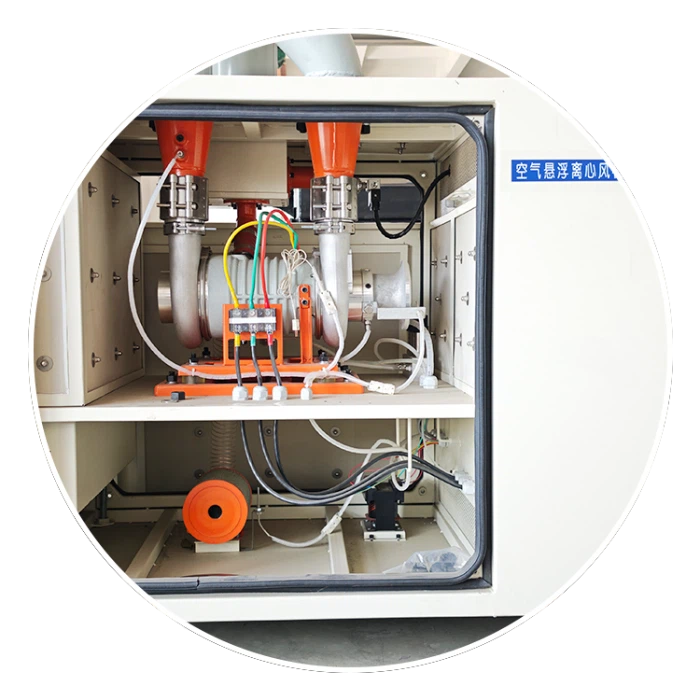
For aerobic fermentation processes, an efficient aeration system is necessary. The aeration system usually includes air blowers and pipelines. Air blowers supply fresh air into the fermentation tank. This oxygen supply is vital for the decomposition of organic matter in feces and the generation of stable compost products.
-
4) Temperature Inspection System
Maintaining appropriate temperature is crucial for the optimal growth of microorganisms in the fermentation process. Temperature sensors are installed at various positions in the fermentation tank to monitor the temperature in real - time.
Working Principle
• Microbial Fermentation Process
The core of the fecal fermentation process in the fermentation vessel is the activity of microorganisms. There are four stages of fermentation processes that last about 7-10 days totally: initial warming stage, rapid fermentation stage, cooling stage and maturation stage.
• Warming Stage
This stage is crucial for creating a suitable environment for the growth and reproduction of microorganisms. During this phase, the temperature remains around 45°C, with mesophilic, aerobic microorganisms being dominant, typically consisting of non-spore-forming bacteria.
• Rapid Fermentation Stage
As the microorganisms start to grow and multiply rapidly, the fermentation process enters the rapid fermentation stage with temperature about 70°C. In this stage, the metabolic activities of microorganisms are extremely active, and a large amount of heat is generated, causing the temperature in the fermentation tank to rise rapidly. The organic matter in feces is decomposed at a high speed, and the concentration of harmful substances such as pathogens and weed seeds is gradually reduced due to the high - temperature environment.
• Cooling Stage and Maturation Stage
After the rapid fermentation stage, the fermentation process enters the cooling stage and maturation stage. In these stages, the decomposition rate of organic matter slows down, and the temperature in the fermentation tank gradually decreases. The compost product gradually becomes more stable, and the nutrients in it are further transformed into forms that are more easily absorbed by plants to ensure the quality of the final compost product.

Advantages
• High - Efficiency Treatment
It can handle a large amount of fecal waste in a relatively short time. The optimized structure and working principle, together with the efficient mixing, aeration, and control systems, ensure that the fermentation process proceeds smoothly and rapidly. Compared with traditional open - air composting methods, the treatment capacity of large fermentation vessels is much higher, which can meet the needs of large - scale farms, sewage treatment plants, and urban fecal treatment centers.
• Environmental Protection
By using large fermentation vessels, the problem of environmental pollution caused by fecal waste can be effectively alleviated. The sealed structure of the fermentation tank can prevent the leakage of odors, reducing the impact on the surrounding air quality. In addition, through the fermentation process, harmful substances in feces can be effectively reduced or eliminated, minimizing the risk of soil and water pollution when the compost products are used.
• Resource Utilization
The fermentation products of fecal waste have high resource value. The compost obtained from aerobic fermentation can be used as an excellent organic fertilizer, which can improve soil structure, increase soil fertility, and promote plant growth. The biogas generated from anaerobic fermentation can be used as a clean energy source for heating, electricity generation, and cooking, reducing the dependence on fossil fuels and contributing to the development of a circular economy.
• Space - Saving
It is designed to be vertically structured and can be arranged in a compact way, which occupies much less space compared to traditional open - air composting fields. This is especially important in areas where land resources are scarce, such as urban areas or areas with high - density livestock farming.
Application Scenarios
• Livestock and Poultry Farms
In large - scale livestock and poultry farms, a large amount of fecal waste is produced every day. It can be installed on - site to treat the fecal waste. The compost produced can be used to fertilize the farmland around the farm, reducing the cost of fertilizer purchase and also achieving the recycling of waste resources. In addition, the biogas generated from aerobic fermentation can be used to meet the energy needs of the farm, such as heating the livestock houses in winter or powering some farm equipment.
• Sewage Treatment Plants
Sewage treatment plants often produce a large amount of sludge, which contains a certain amount of fecal matter. By using it to treat this sludge - fecal mixture, the volume of the sludge can be reduced, and the organic matter in it can be converted into useful resources. The compost product can be used for land reclamation, landscaping, or as a soil conditioner in some areas.
• Urban Fecal Treatment Centers
With the continuous development of urbanization, the problem of urban fecal treatment has become more and more prominent. Urban fecal treatment centers can use large fermentation vessels to centrally treat the fecal waste collected from various sources in the city. This not only helps to improve the urban environmental hygiene but also realizes the resource utilization of fecal waste, turning waste into treasure.
The application fields of large fermentation vessels for fecal treatment will be further expanded. In addition to the traditional livestock and poultry farms, sewage treatment plants, and urban fecal treatment centers, they may also be applied in some special fields, such as the treatment of fecal - like waste in some industrial production processes, or the treatment of fecal waste in some remote areas with special environmental requirements.
Conclusion
It plays an important role in the treatment and resource utilization of fecal waste. With the continuous improvement of technology and the increasing attention to environmental protection and resource utilization, it will continue to develop and innovate, bringing more benefits to society, the environment, and the economy.
Applications



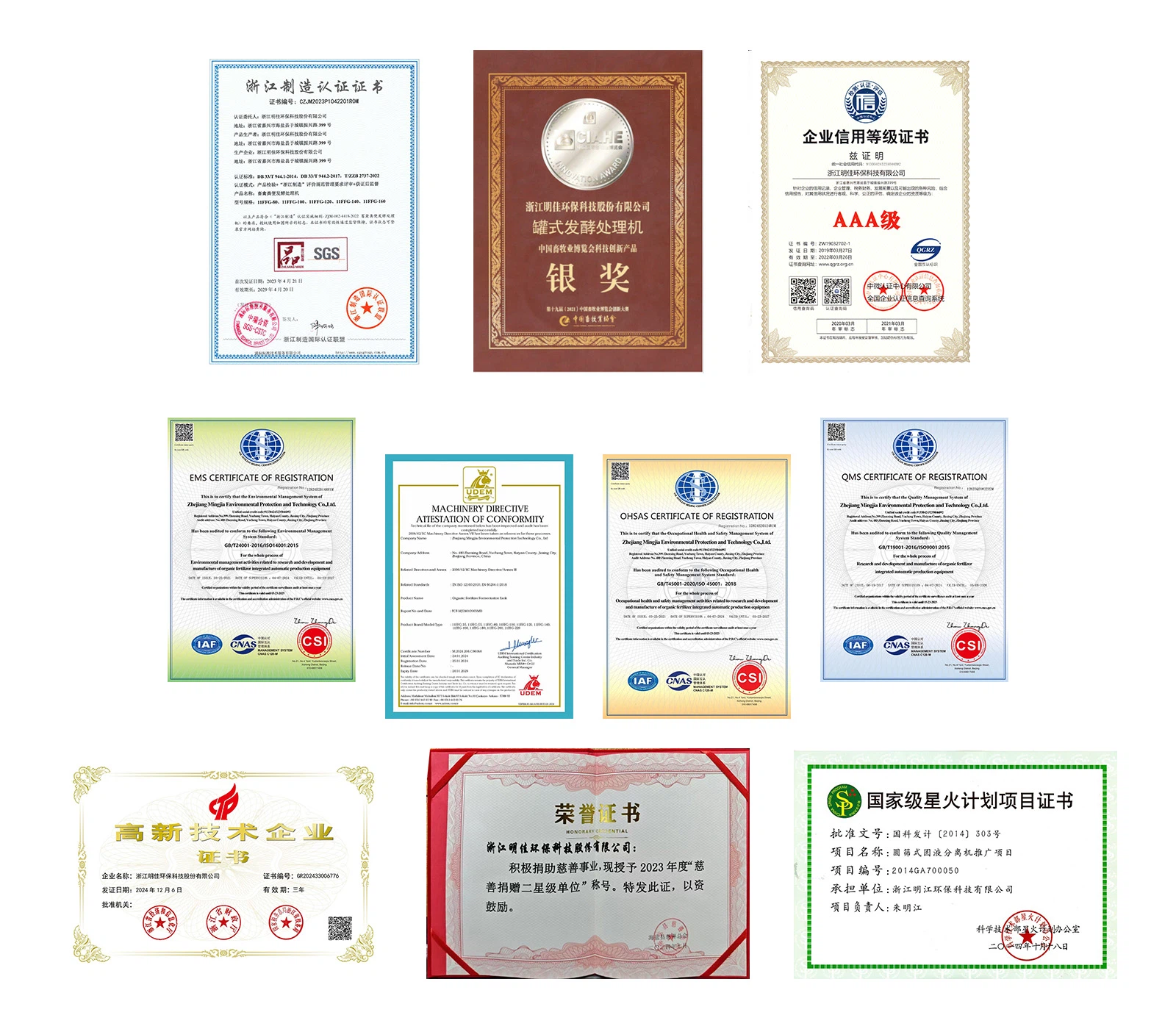
Certification
Cooperation cases


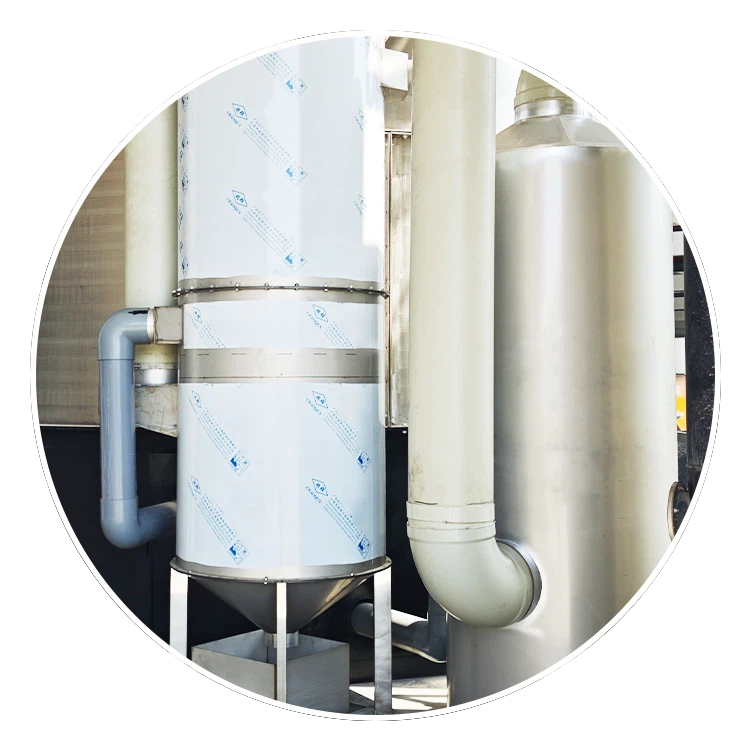
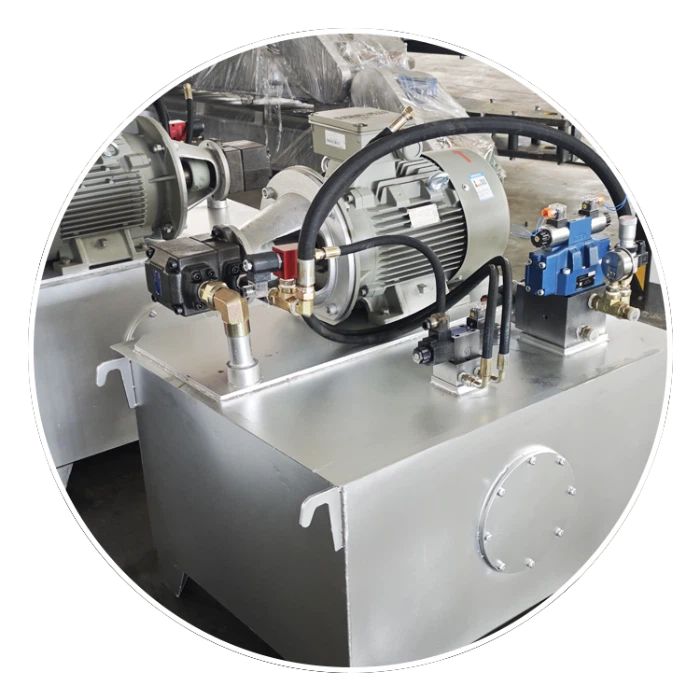
Features



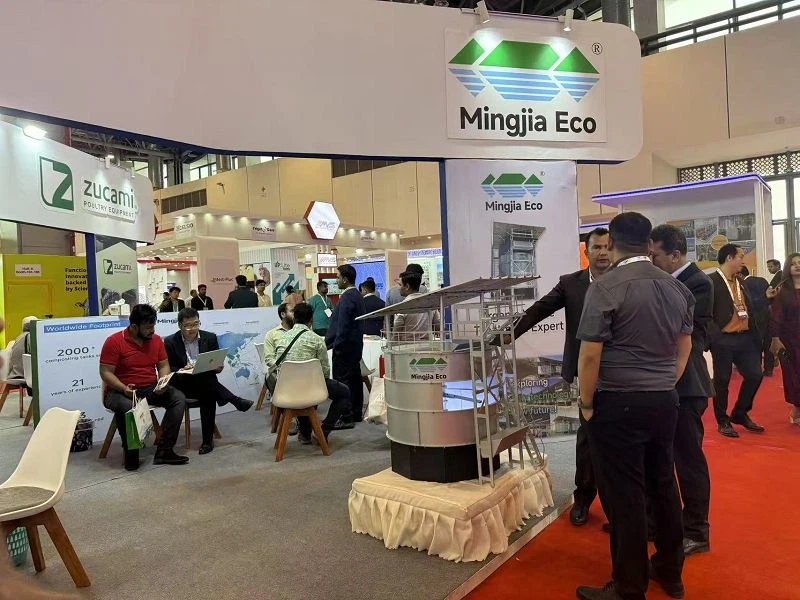
Exhibition

Shipment

Hot Tags: large fermentation vessel, China large fermentation vessel manufacturers, suppliers, 100 gallon fermentation tank, bbl fermenter, fermentation vessel, fermentation stainless steel, 20 gallon fermentation tank, 100 bbl fermenter


